

Sparkler winter wheat has won repeat orders from growers after topping yields on two farms despite prolonged drought and an unusually early harvest. The Group 4 soft wheat yielded up to 8.65t/ha during its first commercial season since joining the Recommended List in December 2025. Growers also reported good... Read more
Growers are being urged to examine how effectively crops use phosphorus before spending money on further applications, as new tools seek to improve returns from fertiliser inputs. A new Phosphate Stewardship Hub shifts the focus from how much nutrient is applied to how much crops can access. It uses... Read more
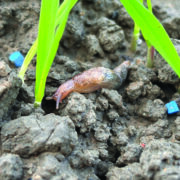
Recent rain has restarted autumn drilling and revived the prospect of serious slug damage in emerging crops after the dry summer, ADAMA UK has warned. Growers are being reminded to monitor fields, study forecasts and prepare calibrated spreaders. Slug pellets should be used only after surface activity is confirmed... Read more

Drought could last another six months
News 01/10/2026
England faces prolonged lack of rainfall Water restrictions could continue into next year despite forecasts for a wetter autumn as the impact of the summer drought continues. Environment Agency modelling suggests 120% of typical rainfall is needed over the next seven months for all areas to recover. Even under... Read more
Crushed farmer urges rethink on farm safety
News 01/10/2026
A Hertfordshire farmer crushed beneath 1,500kg of hay bales is backing calls for safer working practices after being told he had a 75% chance of never walking again. Will Dickinson suffered 12 broken ribs, eight spinal fractures and a fractured pelvis when three bales fell from a trailer on... Read more

Autumn fields are ideal for hare-coursing – and each year sees a surge in incidents as the landscape opens up after harvest. It’s a tough time – especially for farms which are repeatedly targeted by coursers. While eliminating the problem can be difficult, practical steps can be taken to... Read more

Farm input costs have doubled in the six months since the Iran conflict – piling further pressure on producers already struggling with a challenging season. Annual ag-inflation has climbed to 8.6%, according to the latest estimates from Andersons farm business consultants. This is its highest since the post-Ukraine peak... Read more
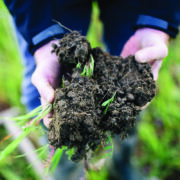
Soil health is emerging as a factor in farmland values, rents and tenancy negotiations as regenerative farming and environmental markets change the economics of land management. Agricultural valuers increasingly need to assess soil as both a productive asset and a source of environmental value, says regenerative farming adviser Harry... Read more
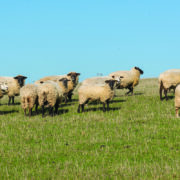
Be ready for worm challenge after rain
Livestock 28/08/2026
Since my last article on the drought, many farms across the Midlands and East Anglia have seen very little, if any, meaningful rain, writes Nerys Wright. Grass covers are tight, feed stocks are under pressure and some sheep are being asked to do a lot on very little. Rather... Read more
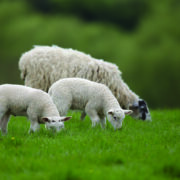
Sheep producers are being urged to step up forage testing ahead of tupping after research linked hidden cobalt deficiencies in ewes with poorer lamb vigour. The complex and variable nature of cobalt levels in grassland soils makes its status hard to track, says Alison Bond, of nutrient specialists Rumenco.... Read more


