

 After writing last month about what felt like endless rain, I’d hoped it might mark the start of some drier weather, writes Nerys Wright.
We’ve still had plenty of wet days, but we have at least been treated to the odd spring like day. These increasingly erratic winters aren’t just affecting our mood; they’re changing conditions on the ground.
One of the clearest examples of this is the gut worm Nematodirus battus. This is where the 2026 SCOPS Nematodirus hatching forecast is a useful tool. The forecast is updated daily using temperature data from 140 weather stations.
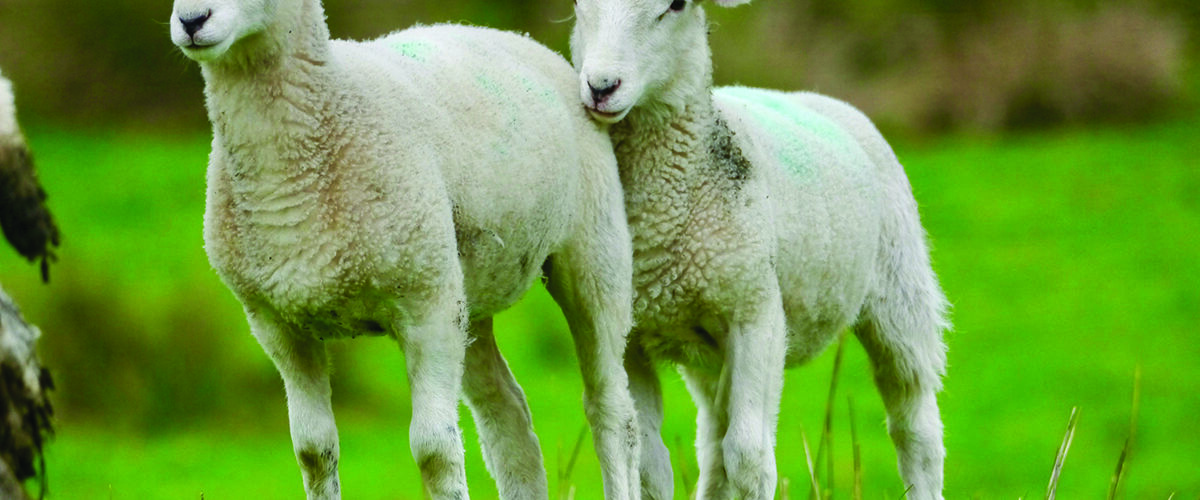
Each spring, young lambs are at risk from this parasite, which behaves differently from other worms: it is the ingested larvae that cause disease, and this happens before eggs appear in faecal samples.
With warmer, unpredictable weather shifting the hatch vary8ing by six weeks over the ast five years and not a week later each year — predicting when lambs are exposed is becoming more challenging.
New map symbols make the forecast simpler to read: a circle shows hatching is rising, and a triangle shows it’s falling. Together, they indicate whether risk is building, peaking, or declining.
When are lambs at risk?
For Nematodirosis to occur, three things must align:
1. Pasture contamination with eggs shed by last year’s lambs to provide the larvae.
2. Lambs aged roughly 6–12 weeks (or younger triplets/thin ewe lambs) grazing enough to ingest larvae.
3. A rapid increase in temperature, triggering a hatch of infective larvae.
If all three factors coincide, the risk rises sharply. At the time of writing, many areas are already seeing peak hatch dates before most lambs are old enough to graze significant quantities.
Risk varies hugely between fields, so consider altitude and aspect. Higher, colder or north-facing fields hatch later. Hungry lambs – especially multiples – may graze earlier. Use the map alongside your knowledge of fields, grass supply and lamb growth.
Calendar-drenching
With hatch timing now swinging across a much wider window, a set date white drench in the calendar—because “that’s when we’ve always done it”—may no longer align with exposure.
In many areas, the hatch may have already passed before lambs are grazing enough, making treatment unnecessary; in others, the hatch may not yet have occurred, meaning a routine early drench won’t protect lambs at the right time.
Using the live SCOPS forecast helps ensure treatment, if needed, is timed to risk rather than habit, supporting both lamb health and responsible wormer use.
For further details, speak to your vet or adviser – and visit scops.org.uk, where you’ll find the forecast and a webinar and podcast about Nematodirus. Nerys Wright is an independent sheep consultant. For more details, call Nerys on 07891 187643 or please visit sheepconsultancy.co.uk.