

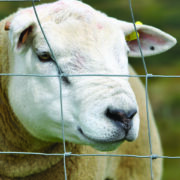
As tupping time approaches, it is easy to assume that because a tup worked successfully last year, he will be ready to go again this autumn, writes Nerys Wright. Unfortunately, sheep do not read the rule book. Age, injury, disease and environmental factors can all affect fertility, and after... Read more
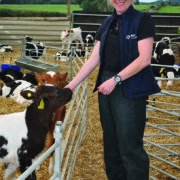
New screening data has exposed the scale of bovine coronavirus exposure in UK calves, increasing pressure to strengthen respiratory disease prevention before winter housing. More than two-thirds of calves screened by MSD Animal Health between 2022 and 2026 found 69.5% had antibodies to bovine coronavirus. Those calves were also... Read more
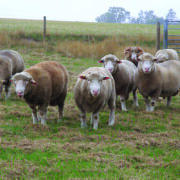
Ewe condition and feed supplies should be assessed promptly before tupping this autumn – to reduce the likelihood of barren ewes and weaker returns. Drought conditions have already seen many farms to use forage normally held for winter. Grass growth has fallen short, cutting the energy and protein available... Read more
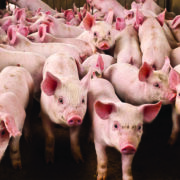
Pig producers hit by processor contract cuts have taken their case directly to the government and independent supply-chain adjudicator amid warnings that farmers could leave the sector. Eight affected producers set out their concerns to agricultural supply chain adjudicator Richard Thompson and Defra officials at a roundtable organised by... Read more

Livestock farmers facing tight winter forage supplies after the summer drought could extract more value from cover crops by managing them for grazing rather than simply environmental compliance. Poor grass growth has increased pressure on forage stocks, putting greater emphasis on crops capable of producing usable autumn biomass. But... Read more

Patience needed on forage rape
Livestock 06/10/2026
Farmers planting forage rape to support grazing following the summer drought should introduce the crop gradually to livestock diets. Livestock should initially receive access for one to two hours daily, building up over seven to 10 days, sys the Agricultura and Horticulture Development Board. Farmers should also provide additional... Read more
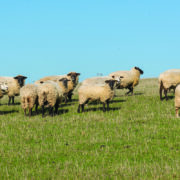
Be ready for worm challenge after rain
Livestock 28/08/2026
Since my last article on the drought, many farms across the Midlands and East Anglia have seen very little, if any, meaningful rain, writes Nerys Wright. Grass covers are tight, feed stocks are under pressure and some sheep are being asked to do a lot on very little. Rather... Read more
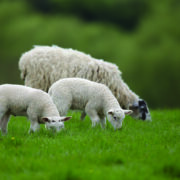
Sheep producers are being urged to step up forage testing ahead of tupping after research linked hidden cobalt deficiencies in ewes with poorer lamb vigour. The complex and variable nature of cobalt levels in grassland soils makes its status hard to track, says Alison Bond, of nutrient specialists Rumenco.... Read more
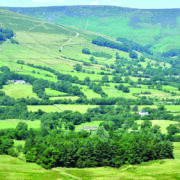
A Derbyshire farmer is reshaping a traditional hill system to bring livestock, landscape and business together at the foot of Mam Tor. Third-generation farmer at Hardenclough Farm, James Metcalfe, not only has to contend with high altitude land which rises to 2,000ft above sea level, but also farming in... Read more
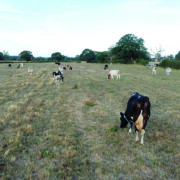
Beef and dairy farmers should resist grazing drought-hit grassland as soon as rain returns to preserve parched swards. Instead, farmers should consider keeping cows in condition by feeding conserved winter forage. Allowing recovering plants to reach the three-leaf stage before livestock return could protect weakened swards and extend autumn... Read more