

 A Staffordshire sheep farmer is reaping the rewards of a grazing system based on herbal leys, rotational grazing and partnerships with neighbouring arable businesses.
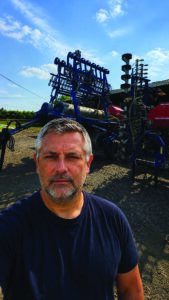
Wayne Underhill has worked with local arable farmers since 2015 to establish two and three-year grass and herbal ley rotations. The system delivers greater flexibility, higher forage production and stronger flock performance, he says.
The approach provides productive grazing for his sheep enterprise while offering arable growers a valuable break crop, additional organic manure and grazing-led weed control before land returns to cultivation. The system has also reduced reliance on purchased feed. Mr Underhill says it has improved the use of home-grown forage – and the flexibility it creates is central to the business.
Mr Underhill is a tenant of Staffordshire County Council Farms. He farms about 38ha at Penkridge and 34ha at Trentham. He also uses about 80ha of seasonal grazing, although the area varies according to availability and flock requirements.
The partnership approach benefits both livestock and arable businesses. “It allows for higher stocking rates and productive grazing ground for the sheep enterprise, while providing arable businesses with a break crop, manure and grazing-led weed control.”
The collaboration has also allowed him to compare different herbal ley mixtures across contrasting soils through contract overseeding work.
Grazing systems
Mr Underhill started farming in his own right in 2010. Seven years shearing sheep in New Zealand influenced his management approach.
His flock combines commercial New Zealand Romney and RomTex genetics with a New Zealand Romney pedigree flock developed using artificial insemination genetics imported from New Zealand.
The business objective is clear – to produce more lamb from home-grown forage. “I wanted to maximise lamb output from home-grown forage and ensure feed never became a limiting factor,” he says. “The aim was to grow more high-quality grazing and conserved forage, while reducing reliance on bought-in feed.
“Herbal leys have given us the flexibility to graze or make winter forage, so depending on flock needs, around 30 acres are cut for haylage to feed through the winter, with the remainder rotationally grazed.”
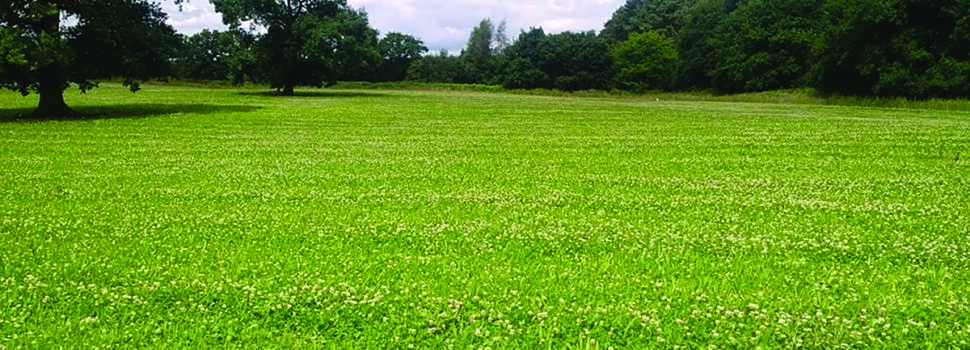
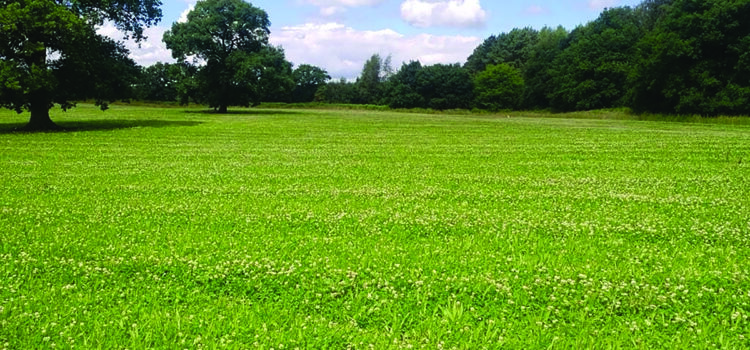
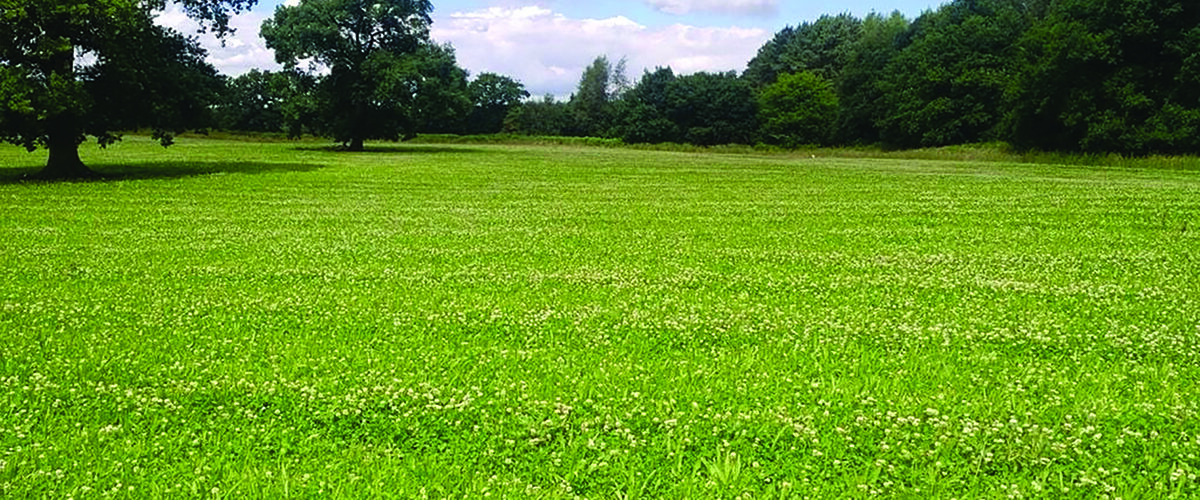
Mr Underhill first introduced herbal leys 16 years ago using a simple mix of Tonic plantain and white clover. Current mixtures also include Italian ryegrass, red clover and chicory.
He believes there is no universal seed mixture because different farms need different solutions. “At Penkridge we’ve our best results with simple plantain and white clover leys, which provided excellent-quality forage and supported good milk production. However, because we lamb outdoors, managing birth weights was more of a challenge so those fields have since been entered into the SFI SAM3 option. Dry weather on our light sandy soils has increased thistle pressure, but the wider mix has helped manage birth weights while maintaining good sheep performance. At our Stoke site, where land is also sandy, higher rainfall has helped the herbal mix establish well and deliver good sheep performance. This is overseeded with chicory, plantain, white clover and red clover to produce high-quality haylage.”
He said Sustainable Farming Incentive payments added value, although herbal leys should still be managed as productive crops with effective grazing and weed control.
Flock management
Outdoor lambing starts around one April at Penkridge. Ewes and lambs graze the herbal leys for about 10 to 12 weeks before fields are rested. The leys are grazed again in late summer, depending on rainfall.
Weaning takes place at about 14 weeks. It coincides with shearing. That reduces labour and saves time. Mr Underhill also matches grazing according to scanning results. “Ultimately our target is to wean a total lamb weight equal to, or greater than, the ewe’s own body weight.
“Any single-bearing ewes are grazed on low-input grass before lambing and then moved onto a grass and herbal mix after lambing, while twin-bearing ewes graze the SFI SAM3 herbal leys. The triplet-bearing ewes graze on tonic plantain and white clover leys – over a longer period of time – which produces excellent results and gives them more chance to grow.”
Regular movement between grazing blocks requires a dependable water supply. A Severn Trent water bowser and portable troughs allow water to be moved with the flock.
“That flexibility helps make the best use of herbal leys while maintaining high standards of animal welfare,” he said.
Future partnerships
Mr Underhill believes successful establishment is essential if herbal leys are to deliver consistent returns.
“The aim is to drill directly into stubble straight after harvest, then use that field for two years before it is returned to arable cropping. This system works as it helps retain soil moisture and avoids unnecessary soil structure disturbance. We’ve seen good results, particularly with plantain and white clover when it has been overseeded between May-July, provided sufficient moisture has been available,” he added.
A Dal-Bo MaxiRoll Greenline and Multistriegel fitted with Einböck P-Box seeders is used to establish both new and existing swards. Looking ahead, Mr Underhill plans to expand partnerships with more neighbouring arable farms.
He believes integrating herbal leys into two and three-year rotations can improve livestock performance while delivering wider benefits for cropping businesses before land returns to arable production.