

Farm businesses hit by the dry, hot summer should identify revenue shortfalls and agree funding plans before weaker harvests filter into farm accounts, say lenders.
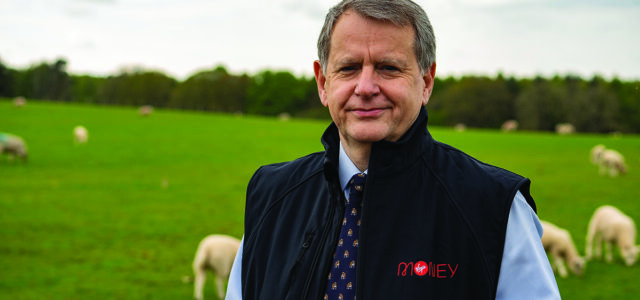
Immediate harvest damage will not translate evenly into cashflow pressures, said Brian Richardson, head of agriculture at Virgin Money. But businesses should use robust forecasts, advisers and bank managers to act early on likely funding needs.
Forecasting
“The impact has varied across the UK,” said Mr Richardson. “There is no doubt that farming businesses across the country are facing another serious challenge.”
Lower cereal prices across the last two seasons, combined with increased fuel and fertiliser costs, have already put enormous pressure on the arable sector. “This summer’s conditions have also created problems with forage availability for some livestock farmers.”
Financial effects could emerge later, even where harvest losses are already clear. Good record-keeping and budgets would give owners, partners and staff a shared view of pressures ahead, said Mr Richardson.
Input costs
“It is important to identify any likely gaps in your cashflow now and plan accordingly. Tough times like these highlight the benefit of good financial recording and budgeting, and the value of ensuring that a robust cashflow forecast forms part of that overview.
Everyone involved in the business should understand what may be coming down the line, added Mr Richardson. “Using this information to sit down with your advisers and bank manager is key.”
He added: “It will pay dividends to do that sooner rather than later, so you can agree a plan for future cash requirements and support wider planning on the farm.”
Policy test
Drought consequences also sharpen questions over domestic food production. The poor harvest has led the new Prime Minister to emphasise food security. Mr Richardson said the recognition should lead to practical support.
“I hope this renewed focus feeds through into policies and prices that allow farmers to achieve realistic returns. They need the confidence to invest and sow the crops that will be essential to maintaining our food supply next year and into the future.”
Virgin Money said individual approaches remain necessary because every business faces different circumstances. Its specialist agricultural team works with customers affected by drought and the resulting disruption to plans and cashflow.
“The farming sector has worked its way through many challenges in the past and will do so again. However, understanding your business and having accurate figures available will be more important than ever when planning a successful route through the current situation and into the future,” said Mr Richardson.