

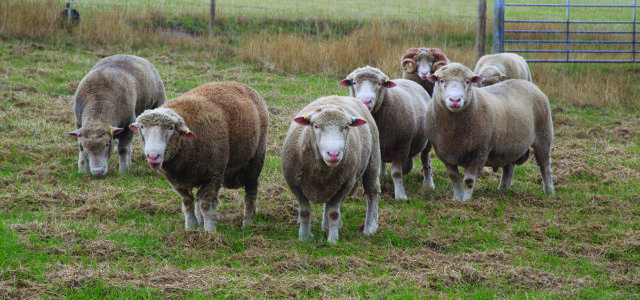
Ewe condition and feed supplies should be assessed promptly before tupping this autumn – to reduce the likelihood of barren ewes and weaker returns.
Drought conditions have already seen many farms to use forage normally held for winter. Grass growth has fallen short, cutting the energy and protein available from grazing. Disease and parasite risks may also leave breeding stock in poorer condition than farmers expect.
The commercial priority is to protect lamb numbers, the core driver of sheep enterprise profitability, by ensuring ewes are in good condition, said Euan Hart, trade team leader at livestock nutrition experts Fevara.
Body condition scoring should lead the response, said Mr Hart. “It takes a good long time to move a ewe up by one body condition score, so knowing where they are and doing something about it in the run-up to tupping is the way to go,” he warned.
Mr Hart linked nutrition directly to flock output. “Energy is the key driver of ovulation – and getting ewes to the right body condition before tupping will have a big impact on lamb numbers,” he added.
The cost of supplementing ewes could be difficult to absorb after a dry summer. But insufficient feeding before breeding could have a greater effect on next year’s income. This meant investing more to maintain body condition.
“That may feel painful on the bottom line now, but the cost of doing nothing could be fewer lambs next spring, which will really hurt the business,” said Mr Hart.
 Feed planning
Farmers should establish what forage they have rather than assuming bought-in or conserved feed will provide the same nutritional value. Silage, hay and concentrates may need to replace grass where grazing has failed.
All conserved forage should be analysed before rations are set, said Mr Hart. Hay and straw should be treated as low-quality feeds unless analysis shows otherwise. This allows farmers to plan diets around the actual starting point.
A supplementary bucket can improve forage digestibility and make better use of what is in front of the animal, while also providing energy, vitamins, minerals and trace elements at a time when ewes need extra support, said Mr Hart.
Bluetongue adds another risk for flocks. Farmers should work closely with their vet and use reliable information when deciding how to respond. Rams should receive full fertility checks six weeks to two months before joining the flock.
“This year farmers need to be especially sure rams are ready to work. We’re encouraging farmers to assess the 4 ‘T’s’: Teeth, testicles, toes and tone, in good time,” said Mr Hart. “Make the best of the forage available, take advice where needed and treat nutrition as an investment in what is to come. It may feel like a leap of faith, but if lambs are scarcer and prices strengthen next year, farmers will need lambs on the ground to benefit.”