

 Declining soil health is emerging as a business risk for UK farms, with experts urging growers to monitor fields.
In many instances, organic matter and carbon levels – despite a renewed interest in healthy soils. Input costs are increasing as growers try to compensate for rising compaction, with crops are struggling with drought and heavy rainfall.
Agronomists say many of these pressures stem from a narrow focus on nutrition rather than function. Soil is often treated as a delivery system for nitrogen, phosphate and potash. Physical structure and biological life receive less attention.
“Without adequate soil maintenance, the consequences are there for everyone to see in the fields,” says Paul O’Hora, of fertiliser manufacturer SoilWorx.
Yield pressure
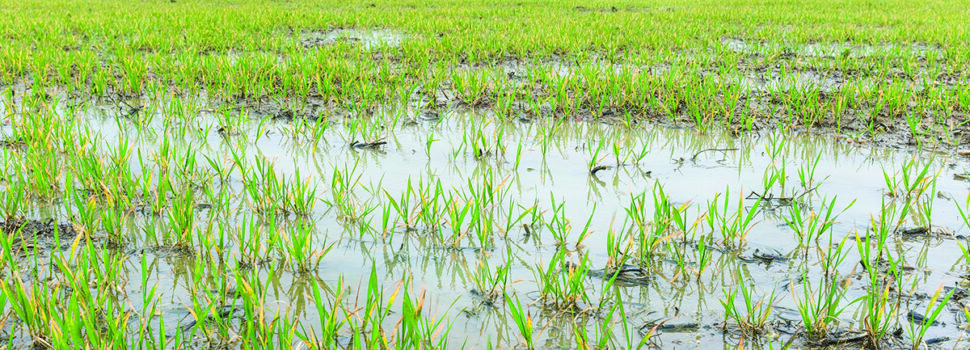
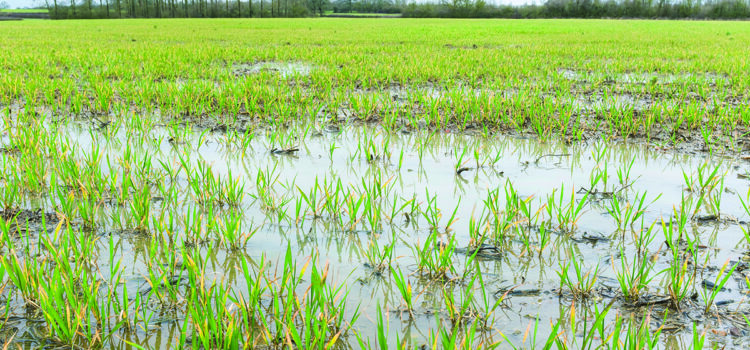
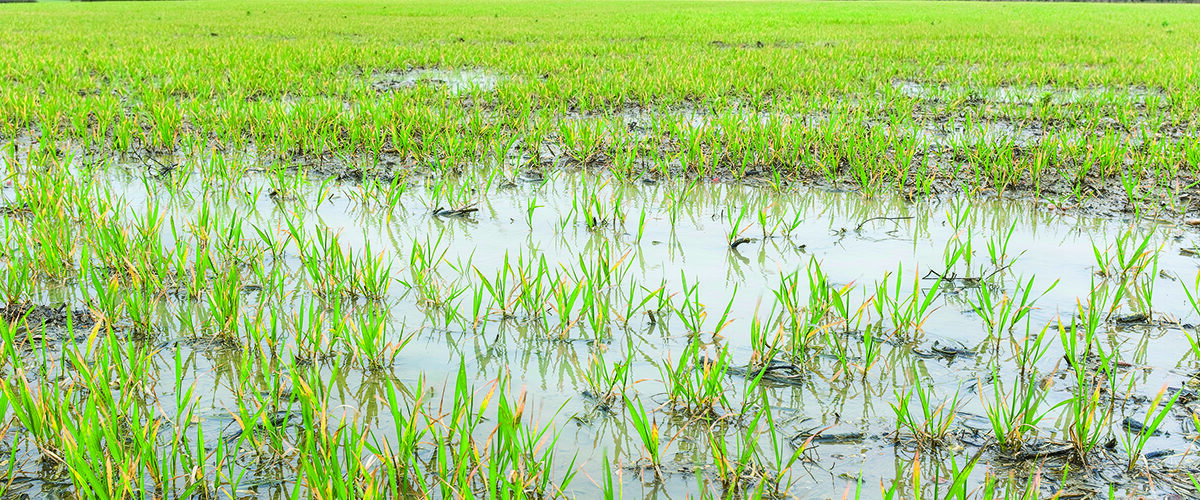
Symptoms of declining soil function include areas that underperform year after year, waterlogging after heavy rain and increasing reliance on inputs to maintain yields. “Every farmer already knows which parts of their farm are affected.”
Soil health rests on three pillars: chemical, physical and biological, says Mr O’Hora. Each influences the others. “Having the wrong pH locks up nutrients even when they’re abundant,” he adds.
Micronutrient deficiencies limit yields even when crops have adequate nitrogen, phosphate and potash. Physical health determines whether water infiltrates or runs off, whether roots can penetrate or hit compaction.
Dr O’Hara says: “Biological health – the microbes and earthworms working in your soil – determines whether organic matter breaks down and releases nutrients, or whether it sits inactive.”
The commercial implications are significant. When soil biology is weak, any nutrients already present remain unavailable. Rather than addressing the cause of the problem, many farmers apply more synthetic fertiliser to bridge the gap.
Micronutrients
“Synthetic fertilisers deliver nitrogen, phosphorus, and potassium,” says Dr O’Hora.
“What they don’t deliver is organic matter, micronutrients, or any support for soil structure or biology. They do nothing to improve your soil’s ability to hold water, resist compaction, or cycle nutrients naturally.”
Access to organic matter has historically depended on livestock manures. But commercial suppliers now offer pelleted organic and organo-mineral fertilisers suitable for conventional spreading on arable farms with fewer options.
Products such as SoilWorx Dynamo pellets, which contain 75% organic matter, mix macronutrients, micronutrients and carbon in a single application. They help build structure, improve water-holding capacity and reduces the risk of compaction.
February and March provide a useful window for soil testing before spring growth accelerates, says Dr O’Hora. Establishing a baseline allows growers to track change and assess returns, he adds.
“When you understand your starting point, you can measure the impact of your organic interventions and demonstrate return on investment. When soil biology starts functioning well, multiple benefits emerge.
Soil structure
These include better soil structure and the need for fewer inputs. “Improved monitoring indicators including increased earthworm counts – a simple but effective measure any farmer can conduct simply by digging down with a spade.”
Laboratory analysis suggests a single application of its natural fertilisers can result in a 19% increase in microbial activity and respiration. Organic matter breaks down gradually, releasing nutrients over time rather than in a single spike.
The business case extends beyond fertiliser efficiency, says Dr O’Hora. Soil with good organic matter has genuine resilience. In drought, better water-holding means crops remain stress-free for longer. When it’s wet, waterlogging is reduced.
Building resilience, though, takes time. Meaningful structural and biological changes typically take three to ten years of consistent organic matter additions. Some gains appear sooner, but the full dividend accrues gradually.
“Soil is your biggest asset,” says Dr O’Hora. “Every farmer, regardless of their system, scale, or location, can now access the organic matter they need for complete nutrition, conditioning and better soil health.”