


Getting rumen development right in the first weeks of life is one of the best investments any beef producer can make. The benefits continue throughout the animal’s lifetime, improving performance, efficiency and profitability. Poor rumen development can have lasting repercussions for the profitability of beef calves. The good news... Read more
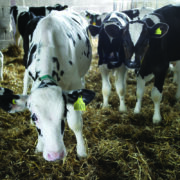
New UK research suggests the trend towards feeding calves very high volumes of milk replacer may not deliver sufficient returns for dairy farmers. Feeding more than 1,050g of milk solids per calf daily can increase costs without producing meaningful improvements in growth or health, suggest two studies. Higher milk... Read more
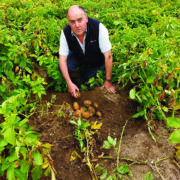
Potato growers are being urged to should make strategic soil sampling a priority before lifting harvest to improve long-term control of potato cyst nematode (PCN) in the following crop. PCN remains one of the most damaging pests affecting UK potato production. Effective control depends on integrated pest management (IPM),... Read more

Farmers using min-till sowing techniques for cover crops and companion planting could achieve faster and more consistent establishment with precision applications of liquid fertiliser. A multi-component tillage train system developed by Techneat application specialist James English combines a MultiCast seeder unit and a Nutristart LQ liquid fertiliser applicator to... Read more
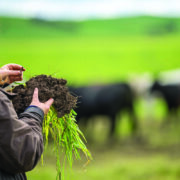
A renewed focus on soil health will help UK farmers secure a more resilient future in the face of global challenges, says the government. Healthy soils sit at the centre of the Defra’s vision for the future of English farming, with ministers arguing they are essential to maintaining profitable... Read more
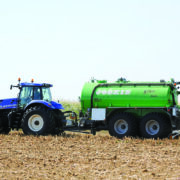
Tighter controls on sewage sludge spreading will improve water quality and reduce river pollution, says the government. Some 41% of England’s rivers, lakes and streams are currently affected by agricultural pollution, says the government. If approved, the new rules will increase oversight on sewage sludge spreading on farmland. Options... Read more
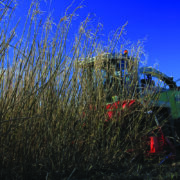
Growing miscanthus could help lock more carbon into the soil, improving yields while helping to tackle climate change, say scientists. Well-suited to poorer land, miscanthus is typically grown as an energy crop. The woody stems are also used for green manufacturing and chemicals production, as a construction material and... Read more
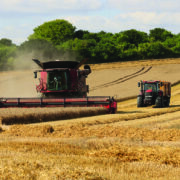
A race against time is developing as agronomists and seed breeders adapt to increasingly frequent extreme weather. Wetter winters and warmer summers are forcing a rethink in UK agronomy. Crop performance is shifting. So too are pest and disease risks. The challenge now is adapting management and variety choice... Read more
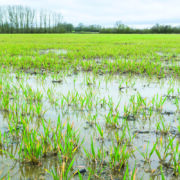
Declining soil health is emerging as a business risk for UK farms, with experts urging growers to monitor fields. In many instances, organic matter and carbon levels – despite a renewed interest in healthy soils. Input costs are increasing as growers try to compensate for rising compaction, with crops... Read more

Wet winter eases drought fears
Soil Health 11/03/2026
A wet winter which saw double the usual rainfall in January has helped to replenish aquifers and reduce fears of a repeat drought this summer. Drought-hit areas suffering following lack of rain began to recover following a wet November which received 149% of long-term average rainfall. This helped kick-start... Read more