

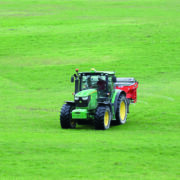
A new fertiliser promises to boost grassland yields, quality and palatability for dairy, beef and sheep producers. Launched by Origin Fertilisers, the sustained release multi-nutrient fertiliser is called Origin Sweet Poly Power. Based around ICL Polysulphate, it combines seven key nutrients in a balanced formulation with proven benefits... Read more
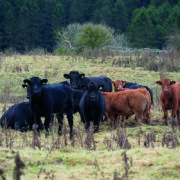
High levels of liver fluke this spring mean farmers should consider clostridial vaccination and control to avoid potentially serious livestock losses. “Farmers have recently been warned over a later than normal liver fluke threat in 2024 following unusual weather patterns during 2023,” says Kat Baxter-Smith, veterinary adviser with MSD Animal Health.... Read more

The big debate: Is efficiency king?
Cereals Show 03/05/2024
Efficient and profitable cereal production will top the agenda during a special panel discussion on the Seed to Shelf stage at this year’s Cereals event. With plateaued yields and volatility around crop inputs and outputs, it’s seldom been more essential for farmers to operate efficiently, says Edwin van Leeuwen,... Read more

Plant breeder KWS will showcase its portfolio of combinable crops at Cereals 2024 – giving visitors an insight into the company’s so-called “cross crop” varieties. “More than ever, we are focusing on high yielding varieties to complement our SPP genetics aimed at providing what growers need to cope with... Read more

The Syngenta Sprays and Sprayers Arena has long been a shop window at the Cereals event for the latest innovation and technologies – and this year will include new developments in precision application practices. These new developments could herald a step change in approaches to agronomy, says Harry Fordham, Syngenta’s farming... Read more

The winner of this year’s Farm Sprayer Operator of the Year (FSOOTY) award will be crowned in the Syngenta Sprays and Sprayers arena at Cereals. The award recognises the professionalism of sprayer operators across UK farms. It will be presented on the first day of the event, says Iain... Read more

Agribuggy ‘built for all conditions’
Cereals Show 03/05/2024
McConnel will exhibit its new Agribuggy V300 self-propelled sprayer at Cereals 2024. The all-new design includes a redesigned cab, a new 50kph variable transmission, heavy-duty drivetrain, and a 3000-litre capacity spray tank for enhanced performance, durability, and output. McConnel says the machine has been designed so operators can spray... Read more

Tracing the arable supply chain – from seed in the field to products on the shelf – is the theme of a new seminar stage at this year’s Cereals event. Sponsored by KWS, the Seed to Shelf stage will host two full days of informative seminars from plant breeders, agronomists,... Read more

Thousands of visitors will attend next month’s Cereals event – with organisers reporting good sales of early bird tickets. Hosted by Alex Farr and his cousin Edward Wainwright-Lee, the two-day show on 11-12 June is being held across 45ha of outdoor event space at Bygrave Woods, Newnham Farm, in... Read more
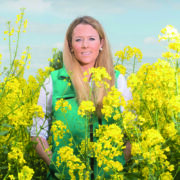
New oilseed rape genetics developed by plant breeder DSV are building on traditional pod shatter characteristics to increase harvest security in light of increasingly variable growing conditions caused by unpredictable weather. The company’s latest RL addition DSV Dolphin is the first new generation hybrid variety specifically developed to combine... Read more


