

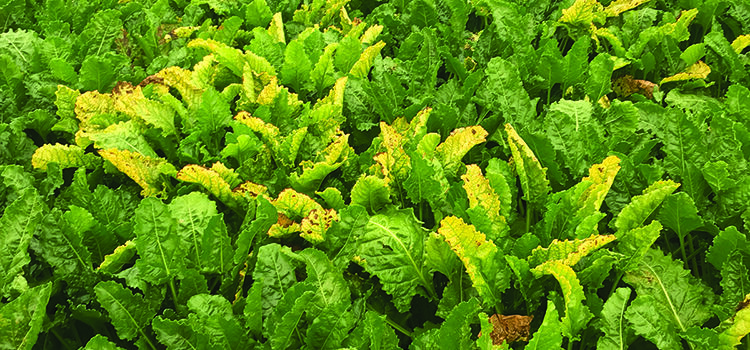
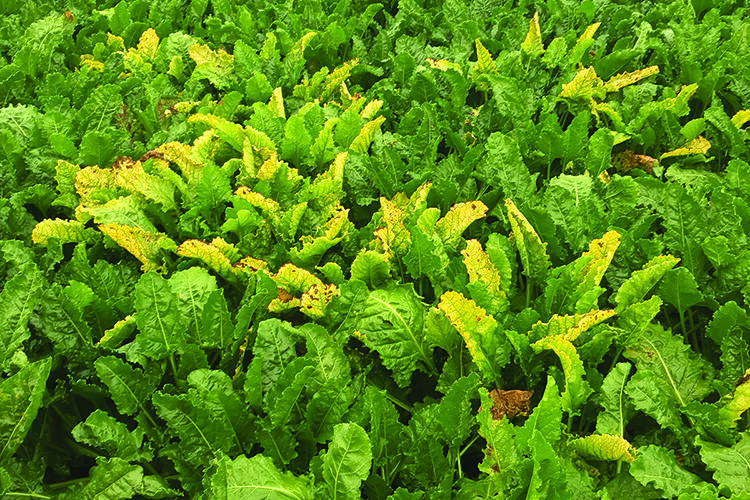
 Sugar beet growers are being urged to prepare for a prolonged aphid control campaign as virus yellows pressure builds across eastern England.
Many crops are likely to require a three-spray aphicide programme this season after warm spring conditions encouraged early pest activity, says the latest bulletin from the British Beet Research Organisation (BBRO).
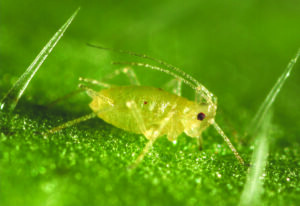
Peach-potato aphid Myzus persicae remain the dominant species detected in monitoring traps, increasing the threat of virus transmission as temperatures rise, says the BBRO. The warning comes as growers contend with patchy crop emergence, flea beetle damage and dry conditions that have complicated weed control decisions across the beet-growing region.
Pest pressure
Crops are particularly vulnerable to infection between the four and six true leaf stage. The recommends a sequence of acetamiprid, flupyradifurone and flonicamid products to help manage insecticide resistance.
“Crops must be checked regularly as sugar beet is more susceptible to VY infection between 4-6 true leaves – if at threshold do not delay treatment,” says the bulletin. The organisation also repeated warnings against using pyrethroid-based insecticides because they “do not control our target aphids but will harm beneficial predatory insect populations”.
Field conditions
Growers are reporting widespread flea beetle and thrips damage, with some crops showing shot-holing and stunted growth. The dry, hot spring has favoured beet moth activity, particularly around the A14 and A11 corridor with clear hotspots emerging. Weed control programmes have become more difficult because of uneven crop growth and hardening weeds. The BBRO is advising growers to pay closer attention to nozzle choice and adjuvant use where weeds remain small.
Cultivation lessons
The bulletin says another dry spring had exposed differences in cultivation strategy across the region. Land ploughed late had dried out quickly, while autumn-cultivated fields had generally performed better.
Growers are review establishment performance ahead of next season and continue monitoring pest pressure through the BBRO’s CropWatch and AphidWatch services. The organisation also reminded growers to prioritise on-farm hygiene measures, including removing spoil heaps and root remnants, to reduce local disease and pest sources.