

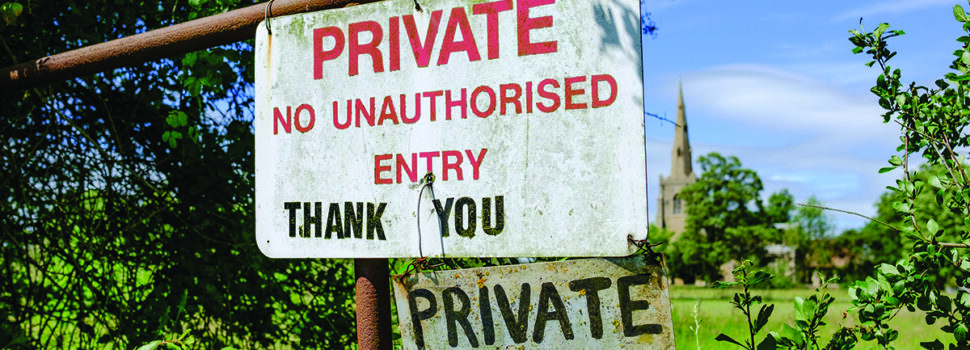
 If you farm, grow, or manage land, you already know the feeling. You walk into the yard at first light, and something is wrong. A gate left swinging. A shed door forced. The quad gone. A season’s work undone in a single night. It does not have to be this way. You can take back control. The trick is simple: make it as hard as possible for a strange vehicle to roll into your yard, and for a stranger to get into your buildings or your machines. Do that, and you shut the door on most of the trouble before it starts. Here are seven steps to help you:
1. Know what you own
Start with a list. Walk your yard and write down the kit and infrastructure your business cannot run without. The tractor, the telehandler, the GPS units, the quad, the tools, the diesel tank. Record the make, model, serial numbers and any marks that make each item yours. Take clear photographs from every angle.
Why bother? Because the day something is stolen, you will be glad you did. A good record helps the police recognise your property and prove it belongs to you. It turns a vague report into a real chance of getting your gear back. This is the foundation everything else sits on.
2. Know who is coming for it
You would not face an opponent without learning how they play. The same goes here. Thieves are not random. They have a reason for coming, a way of working, and skills they rely on. Some want a quick grab of tools to sell by the weekend. Some come for high-value machines, planned and equipped, and gone before you wake. Some want fuel, or your livestock, or a quiet building to hide their own wrongdoing.
When you understand what they are after and how they go about it, you stop guessing. You can match your effort and your money to the real threat, instead of spending on the wrong things.
3. Look at your farm yard through their eyes
Now walk your yard again, but this time think like the person trying to get in. Where would they drive in unseen? Which gate never gets locked? Which shed has a weak door, a broken window, a blind corner the security light never reaches? Where do you leave keys in the ignition “just for a minute”?
Every gap is an open invitation. Be honest with yourself, because the thief certainly will be. Finding your own weak spots first is how you stay one step ahead.
4. Decide what matters most
You cannot fix everything at once, and you do not need to. Put what you have learned together. Take the way thieves work and lay it over the gaps you found. Now ask two questions of each risk: how likely is it, and how badly would it hurt if it happened?
The loss that is both likely and painful goes to the top of your list. The unlikely, minor one can wait. This way you spend your time and money to get maximum benefit. You get the best return for every pound, and you are not throwing cash at problems that were never coming.
5. Build your defence in layers
Think of it like a rugby match. No single player stops the other side on their own. You defend in lines. If the first one is beaten, the second is there, then the third behind them. Each one slows the attack and buys time.
Your farmyard works the same way. There is no single lock, light or camera that stops all .crime. So, build layers. The first layer should make a thief think twice and go elsewhere. The next should spot them the moment they try. The next should slow them down and hold them up for as long as you can manage. And while those layers do their job, you set in motion a plan you prepared earlier — one that brings the right help without ever putting you, your family or your farm team in danger.
Stacking these layers will help you push your risk down as low as you can reasonably get it.
6. Keep it practical, not a prison
Here is the catch. Your defences must work with your day, not against it. A yard ringed in razor wire that takes twenty minutes to get in and out of will drive you mad by Tuesday. And anything that is a nuisance gets switched off, propped open, or ignored.
So, blend three things. Solid physical barriers like gates, locks and bollards. Smart systems like lights, alarms and cameras. And good habits from everyone on the farm, like locking up, taking keys out, and challenging strangers. The best plan asks a little more effort but does not strangle your daily routine. If it is sensible and easy to live with, you will stick to it. That is what makes it work.
7. Match your defence to the seasons
Your farm changes through the year, and so does the threat. Quiet winter months are not the same as a yard full of machinery at harvest. Thieves know your calendar as well as you do, and they time their visits to suit.
So, your defences can breathe with the seasons. Tighten them when the valuable kit is out and the risk is high. Ease them off when there is less to lose. Lay your crime risks over your growing and harvesting cycle and look at the year. Then, every time you plan your next season’s work, plan your defence alongside it. A few minutes spent here saves you weeks of grief later.
A stitch in time
None of this promises a thief will never try. A determined criminal will always look for a way. But you do not have to make it easy. You can deter them, spot them early, and slow them down — and most will simply move on to a softer target.
That is what this is about. A stitch in time now, instead of nine painful ones after the damage is done. No lost season. No downtime. Just a safe place for you, your family and your staff to live, work, rest and play.
You do not have to face this alone. Get in touch today for a no-obligation chat about a tailored farm security plan. Let’s take back control of your yard together — before the trouble arrives, not after.