

Pre-harvest preparation pays dividends for grain storage
ArableHarvest Preview 04/06/2026 Gemma Mathers
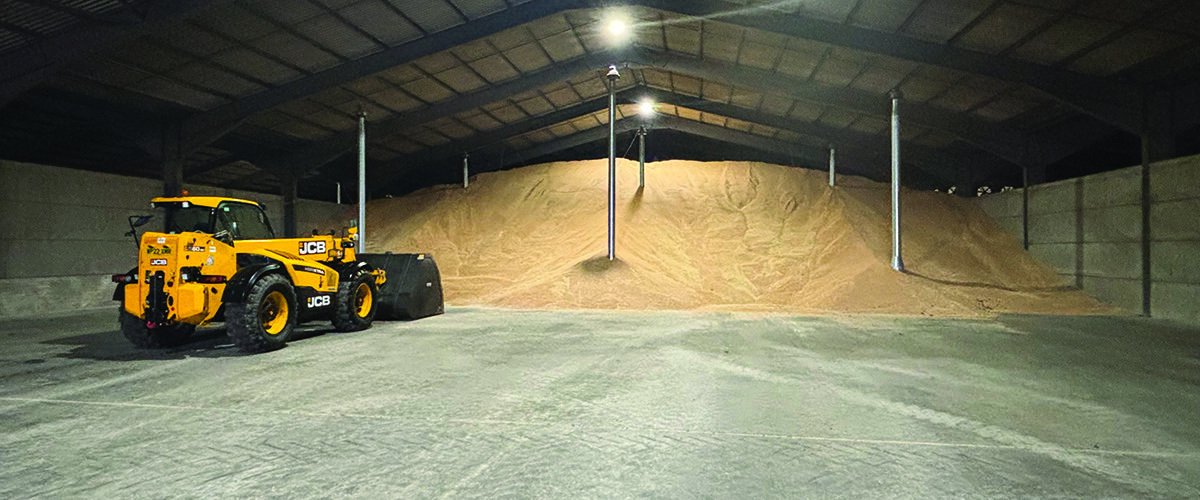
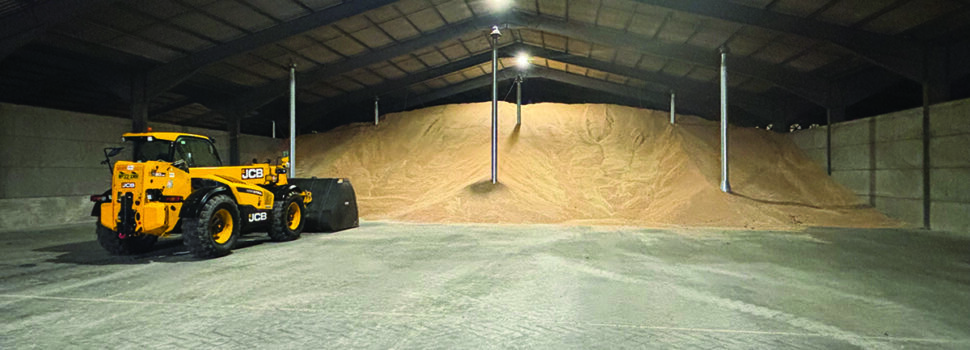
 Timely pre-harvest preparation is paying off for large-scale grain store operators who enforce strict hygiene and treatment protocols.
Colin and Sarah Godwin own and run Keysley Store – a full-service grain and commodity storage and drying facility. Harvest preparation starts as soon as the previous crop leaves the store, which handles grain from over 100 farms.
The Godwins bought Keysley Farm in 1990. Good hygiene and biosecurity measures keep pest pressure under control throughout the season right across the site, near Warminster in Wiltshire.
The couple have invested heavily in their infrastructure, adding four large grain stores and increasing capacity from 6,500 tonnes to a state-of-the-art facility capable of storing 44,750 tonnes of grain and animal feed.
Originally, they stored a range of crops. But the past 10 years have seen feed wheat stored predominantly on behalf of Frontier Agriculture on an annual contract.
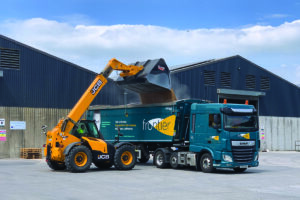
“The relationship with Frontier has worked well,” says Mr Godwin. “They move grain into store during the harvest period and thereafter for farmers with short-term storage, out-taking grain as needed – usually May to July.”
Comprehensive service
The storage and drying facility runs alongside a wider 300ha arable enterprise and wedding venue in the farm’s former stable yard. Demand for storage has expanded steadily over the years with proximity to the A303 easing deliveries and collections.
“Farmers receive a full service with an 80 tonne per hour Perry grain dryer, Perry elevators and conveyor system capable of moving 120 tonnes per hour and an optical colour sorter to further condition grain and remove ergot,” says Mr Godwin.
“The machine uses cameras to distinguish between light and dark grains to remove ergot from grain using air-operated jets, expelling the contaminated grains as they pass through the machine.”
Preparation
With a vast capacity for grain, preparing and cleaning the stores is a large-scale operation for Mr Godwin. “My priority is to thoroughly empty the store of any residual grain left behind, which could be hosting a potential burden.”
Mr Godwin stresses the particular importance of including the roof space in the application “We clean away any dust, debris or cobwebs and repair any cracks or holes in the fabric of the building that might offer pests a hiding place.
“Once I’m confident the store is clean, we apply K-Obiol liquid insecticide to every inch of the floor, walls and ceiling using a 70-litre portable sprayer and a scissor lift to reach the roof space.
“After application, the store is left for the recommended 48 hours and once dry, it remains active for two months after application and works by killing the pests when they come into contact with the surface,” he explains.
Incoming grain
Lorries are sampled on the weighbridge. Samples are then sieved and monitored for any pest activity. Moisture and temperature control are also vital, as grain can leave the dryer at 25-30°C, creating warm conditions where pests can thrive.
“It’s a priority to get the grain below 15 degrees as quickly as possible to avoid pest activity. We use a vertical pedestal cooling system, then continue cooling until the grain reaches an optimum of 5 degrees.”
Common grain pests like weevils and saw tooth beetles can reproduce in temperatures of around 12 degrees, making constant monitoring vital. In-store temperatures are recorded weekly and tracked across the store.”
Probes help confirm the cooling system is working effectively. Good hygiene, rapid temperature reduction and pre-harvest treatments all help manage low-level pest activity that can be difficult to detect.