


Off-patent herbicide now for linseed
Oilseed Rape 03/07/2024
A new herbicide has been approved for post-emergence broadleaf weed control in linseed. Laya which contains 200g/kg metsulfuron-methyl is a sulfonyl urea herbicide by off-patent manufacturers Life Scientific. It is a reverse engineered formulation of Ally SX. Life Scientific specialises in bringing off-patent crop protection products to market with... Read more

A new disease rating on the latest recommended list for oilseed rape aims to help growers choose varieties resistant to verticillium. This year is the first time verticillium resistance ratings have been included in the Agriculture and Horticulture Development Board list. Top conventional oilseed rape variety Pinnacle is rated... Read more

Plant breeder DSV showcased its latest PhomaBlocker and Powerful Pods oilseed rape varieties at last month’s Cereals event. “Our PhomaBlocker technology has taken on added significance following recent Rothamsted Research findings the disease is becoming resistant to azole fungicides across Europe,” explains DSV UK’s Sarah Hawthorne. “With three different... Read more

An innovative digital support tool means growers can now remotely monitor the migration of key oilseed rape pests. Launched at Cereals 2024, MagicTrap from Bayer is a fully automated, nex- generation digital yellow water trap. It provides farmers and agronomists with continuously updated information on pest pressure. The trap autonomously... Read more

Benchmarking performance and keeping an eye on input costs will be key for profitable oilseed rape production during the coming season. Big swings in rape prices, increasing input costs and variable yields mean net margins for oilseed rape have fluctuated considerably over the last five years, says the Agriculture... Read more

Tickets are now available for a new potato industry event – due to be held on 4-5 September at Nocton, near Lincoln. Called Potato Days UK, the two day event in the one of the country’s major potato growing regions will be hosted by Dyson Farming and organised by... Read more
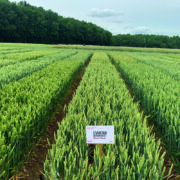
High-yielding soft wheat Bamford is generating some serious attention as one of the newest varieties on the recommended list. The Group 3 variety from Elsoms has proved to one of the most fascinating additions to this year’s winter wheat line-up, with its very high treated and untreated yield figures.... Read more
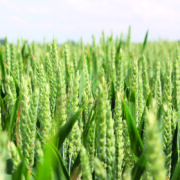
Hard feed wheats are set to feature heavily again in autumn cropping plans – as growers look to bounce back from a rain-hit season. Winter wheat remains the highest gross margin crop on most arable farms, with yield still seen as king for maximising returns. And hard varieties already... Read more
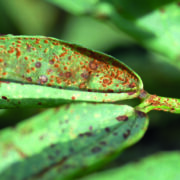
High disease pressure could restrict yield potential in late sown pulse crops racing through growth stages to recover from the wet spring. Many which were slow to establish are now playing catch-up. But increasingly high disease risks threaten to restrict green leaf area development and harvest yield, says Syngenta... Read more

Better wheat yields could achieved by using biostimulants to reduce reliance on fertiliser and agrochemicals, suggests a trial. Carried out by plant breeder KWS and biostimulants specialist Orion Future Technologies, researchers who treated wheat with silicon found that the crop was better at taking up essential nutrients. These included... Read more


