

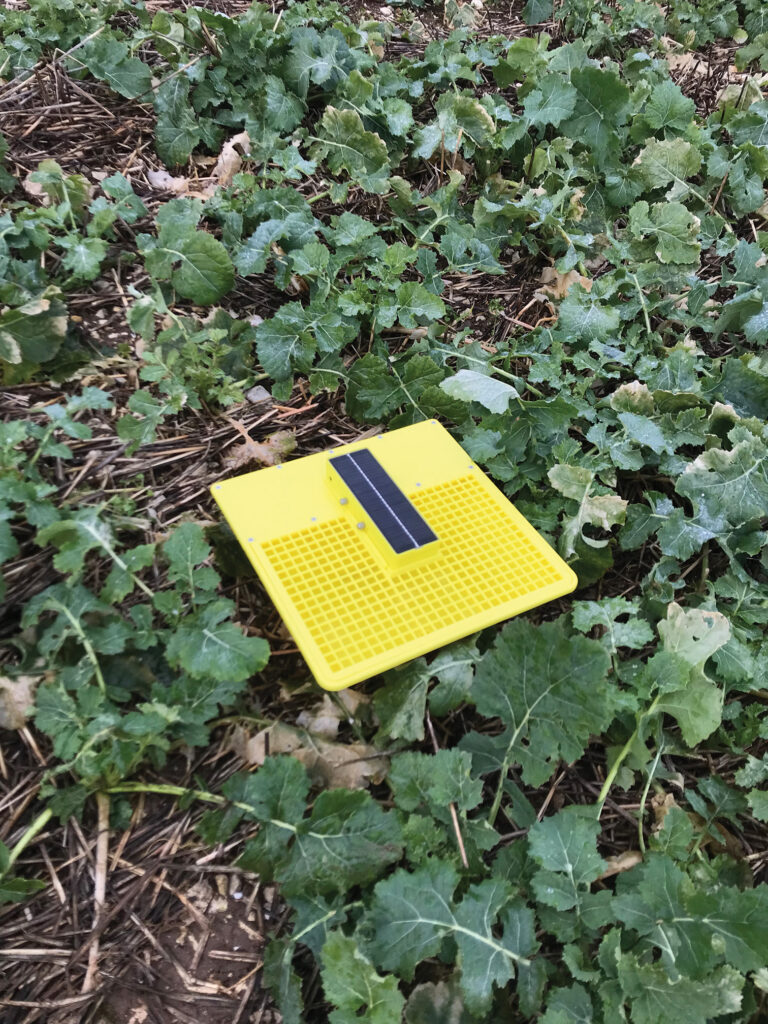
Yellow water traps are helping growers win the battle against cabbage stem flea beetle in oilseed rape.
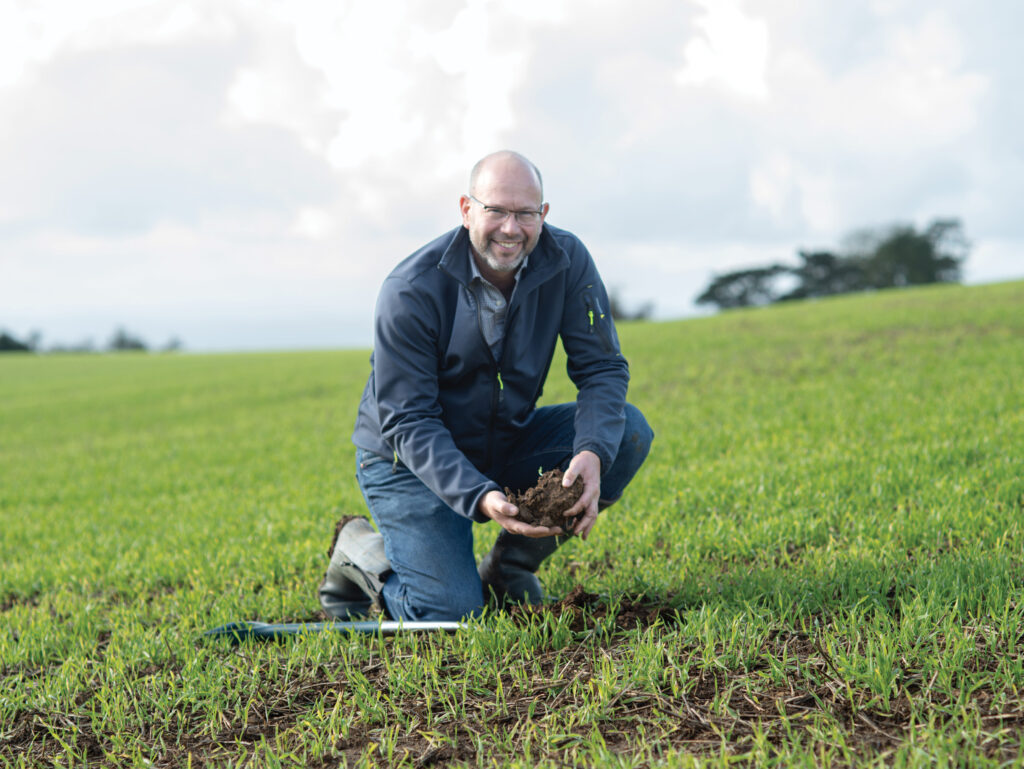
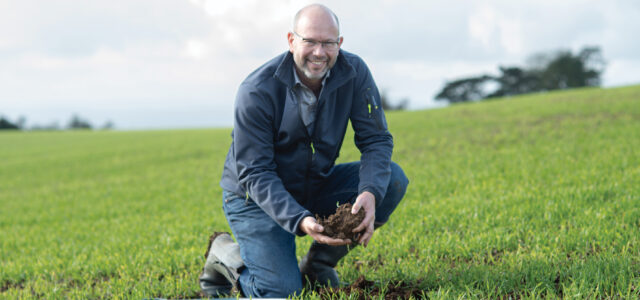
Flea beetle was not much in evidence in MagicTraps deployed last autumn by farm manager Jake Freestone. Trap counts were low in what was generally a low pressure season for the oilseed rape pest in most regions.
Mr Freestone deployed two digital traps, which were part of the United Oilseeds MagicTrap network. They were placed on different soil types and in different areas of Overbury Farm, which sits on the Herefordshire/Worcestershire border.
Sporadic problem
Flea beetle has been a sporadic problem at Overbury since neonicotinoid seed treatments were banned in 2013. Despite flea beetle challenge, rape has retained its place in the rotation on the farm, although the area has dropped.
“We’re combining about 1100ha [of arable crops] here and on the farm next door and probably 200ha would traditionally have been rapeseed,” says Mr Freestone.
“I have persevered with it, although for one reason and another the area had slipped back a little this year but that was mainly down to rotation and we’re due to go back up again this year.”
Key aim
With agronomy based on integrated pest management, a key aim is to avoid using synthetic insecticides where possible. No insecticides have been used on the farm since 2018, which uses cultural methods to avoid them.
Land going into rape receives an application of poultry litter after the crop is direct drilled into chopped straw and a decent stubble. Companion crops go in with the rape to further reduce the need to use insecticide.
“We did once send some flea beetle off to be tested, and they came back at 77% resistant [to pyrethroid insecticides] so there’s probably no point in spraying anyway,” he adds.
Other measures include growing hybrid rape varieties – typically from the Bayer Dekalb portfolio – to take advantage of their spring vigour and potential ability to grow away from flea beetle stem larvae.
Last season’s newcomer DK Excentric is in the variety line-up, alongside Dolphin. A shift in OSR drilling date has also been introduced as part of the farm’s approach to flea beetle management.
Early drilling
“We have started drilling very early, in the first week of August to try and get the rape up and a leaf established before the main flea beetle migration at the end of August,” says Mr Freestone.
“We had pretty good establishment last autumn and flea beetle weren’t really an issue,” he adds. “We did have some winter stem larval damage, but the crops seemed to grow through that.”
Mr Freestone initially placed the MagicTraps in fields with rape stubble and a cover crop, before moving them into new season crops three weeks after drilling.
“My aim was firstly to get used to the technology and secondly, to have a look at what was emerging from previous oilseed rape fields to try and get a gauge on cabbage stem flea pressure, but there wasn’t much pressure at all.”
Setting up and using the two MagicTraps was straightforward, although one consideration was dealing with a patchy mobile phone signal.
“I was trying to find a place in the field where I thought the beetle were likely to land – so in the field margins, and also somewhere we could get a signal as well.
“I found I’d get a signal one day, and then the next day the signal had disappeared,” says Mr Freestone. “That’s not a particular issue with MagicTrap, it’s a rural issue across the board.”
Insecticide policy
With no insecticides applied on the farm, Mr Freestone says he is not using MagicTrap to inform spraying decisions, instead the benefit comes in the form of saving time on crop walking. It also provides a record of what is happening with flea beetle.
“The fact that MagicTrap is recording a digital footprint means that over time we will hopefully be able to build up a picture of what sort of populations we have, in what fields and in what kind of weather.”
Following the successful rollout of the United Oilseeds MagicTrap network last year, the aim is to continue to build on the current 48-trap network, says Peter Collier, United Oilseeds’ area manager for the East Anglia region.
Last year’s results have helped inform MagicTrap field positioning, timing and best practice. With more growers and more traps, wider coverage will mean an even more scientific approach, says Mr Collier.