

Farm inspections intensify as watchdog targets pollution
Professional Services 20/04/2026 Gemma Mathers
 Farmers face rising scrutiny as Environment Agency inspections increase to tackle water pollution, with breaches identified on around half of holdings.
The trend reflects growing pressure on agriculture to reduce diffuse pollution and improve water quality, particularly in sensitive catchments, say farm business consultants.
Alice Johnson, of Strutt & Parker, says inspection activity has stepped up noticeably in recent months. “Notifications of an inspection are currently coming through thick and fast in some catchments and it can be a stressful time for farmers.”
“Being picked by the agency may not mean you are under suspicion of doing something wrong, but it could relate to concern about water quality in a local river if there are high or rising levels of pollutants like nitrates and phosphates,” she says.
Compliance gaps
Environment Agency data shows that 51% of farms inspected last year had some form of non-compliance. The most frequent issues relate to basic management practices.
Inspectors often find gaps in nutrient planning, missing soil test records and insufficient slurry storage capacity. Yard drainage is also a recurring problem, particularly after a wet winter.
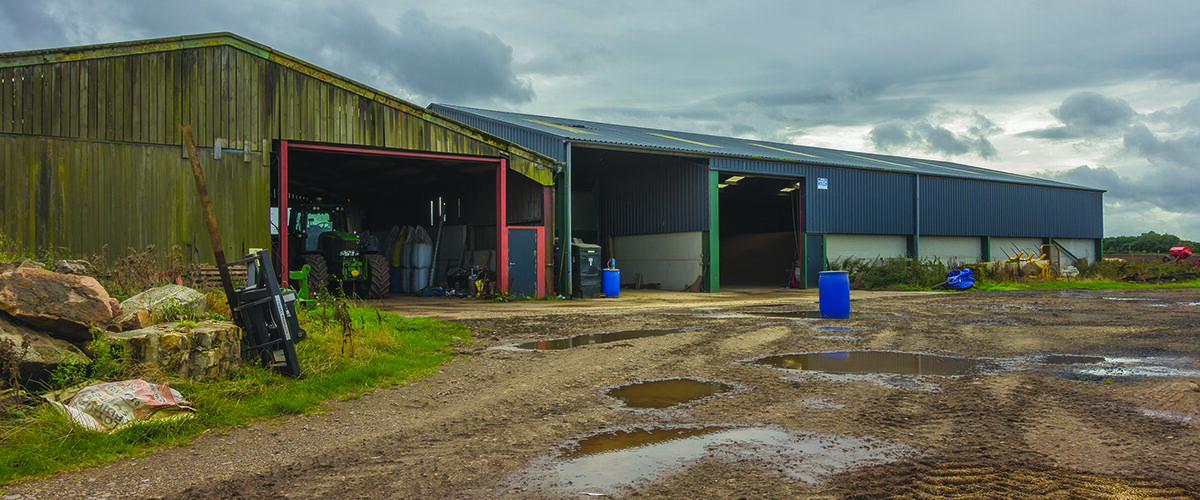
“An issue we are also seeing come up a lot – particularly given the amount of rain we have had recently – is a lack of a drainage plan for yards,” Ms Johnson says.
Farmers must demonstrate they separate clean and dirty water effectively. Inspectors also expect rainwater systems to match site conditions. “It is worth remembering that slurry is defined as water which contains any level of faecal matter.”
More than 4,500 inspections were carried out by the Environment Agency on non-permitted farms in 2024/25. The agency plans to increase this to more than 6,000 by 2029.
Officials typically adopt an advice-led approach– allowing time to address issues before escalating enforcement. But repeated or serious breaches can trigger formal action.s.
Pre-inspection audits
Preparation is becoming more important as inspections increase. Ms Johnson advises farmers to carry out pre-inspection audits and review systems early. This can also identify opportunities to secure funding for improvements.
“The letter from the Environment Agency will explain all the paperwork that the inspector will want to see, but, in our experience, it can be very reassuring to have addressed any potential weaknesses well in advance, rather than under pressure.”
Ms Johnson advises farmers to carry out pre-inspection audits and review systems early. This can also identify opportunities to secure funding for improvements under the government’s capital grants scheme.
“Farmers considering making an application for the 2026 round of the scheme are advised to start their preparations now,” she says. It has previously funded slurry store roofs, farmyard manure stores and dirty water storage systems.
What to Check Before your Inspections:
Environment Agency inspections focus on practical compliance. Farmers should review key areas before a visit.
1 Start with nutrient management. Ensure plans are up to date and reflect current cropping and livestock systems. Keep soil test results accessible and recent.
2 Check slurry storage capacity. Farms must demonstrate they can store slurry safely and avoid spreading at high-risk times.
3 Review yard drainage. Separate clean and dirty water clearly. Confirm that runoff does not enter watercourses. Ensure rainwater systems are correctly sized.
4 Paperwork matters. Inspectors will expect records to match what they see on the ground. Gaps in documentation can trigger non-compliance findings.
Alice Johnson says early preparation reduces stress and risk. “A pre-inspection audit can help to identify if there are any obvious gaps and be a springboard for exploring opportunities for grant funding if there are problem areas.”
Farmers planning capital improvements should engage early with advisers and regulators. Many projects require approval before applications can proceed when the scheme opens later this year.