

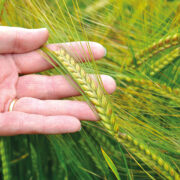
Two Syngenta malting barley varieties have been fully approved by the Malting Barley Committee for harvest 2025. Spring barley variety SY Tennyson has secured full approval for brewing, having previously been provisionally approved. It was already fully approved for distilling – underlining its potential as a dual-purpose variety. Described... Read more
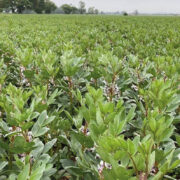
Valuable traits benefit growers Two new Limagrain pulses added to the 2024/25 PGRO Descriptive List demonstrate a continuing commitment to the UK sector, says the breeder. Yielding 110% of control, LG Eagle is the joint highest performing spring bean variety on the list. It is joined by early maturing... Read more
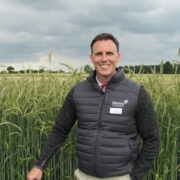
• Choice across major crop types • Strong pipeline of new varieties • Balance of key traits and yields An expansive new variety line-up demonstrates the strength and depth in Elsoms Seeds breeding programme, says the company. Seven new Elsoms varieties on the Recommended List for 2025/26 include three... Read more
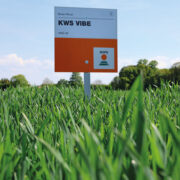
Productivity boost from new varieties
Arable 06/02/2025
KWS varieties top AHDB wheat and barley lists Eight new wheat varieties and four new barleys from KWS have won a place on the Recommended List for 2025/26. Covering all groups and sectors, many of the varieties set new standards for yield, quality and consistency of production, says KWS... Read more
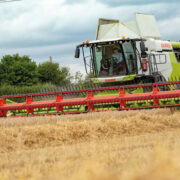
Bumper crop of varieties make debut
Arable 05/02/2025
• Latest winter wheats and barleys • Influx of good genetics to the fore • Strong agronomics from breeders A bumper crop of new cereal varieties has been added to the AHDB’s Recommended List for 2025/26. In total, 10 new winter wheats and 14 new winter barleys make their... Read more
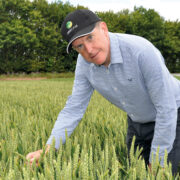
• Adapt management plan into winter • Patience will be key – don’t rush in • Consider nutrition strategy carefully A flexible approach to managing later-drilled winter wheat crops is needed after delayed drilling caused by the wet start to autumn, says an agronomist. Winter wheat drilling has varied... Read more
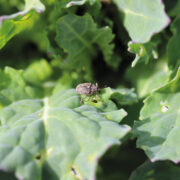
• Pest reported in eastern region crops • Monitor rape carefully, growers told • Mild weather can prolong problem Oilseed rape growers are being urged to watch out for signs of rape winter stem weevil – after several reports of the pest appearing in eastern England crops. Despite having... Read more
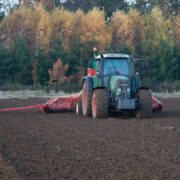
Autumn applications bring dividends Farmers are being encouraged to consider alternative products – including biostimulants – to boost crops and reduce greenhouse gas emissions. Autumn-applied biostimulants could be one solution alongside other factors, such as vigorous varieties and changes to establishment systems, says Tom Wheelhouse, technical specialist at UPL,... Read more
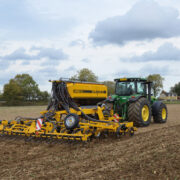
Wheat area rises but still below average
Arable 28/01/2025
• Mixed prospects for UK cereals area • Wheat area recovery remains way off • Growers shun flagship green scheme More wheat has been drilled this autumn – but the projected area for 2025 still lags behind the five-year average, suggest the latest figures. A 5.4% increase takes the... Read more

New genetics offer greater flexibility New genetics, advanced seed and herbicide technologies are making sugar beet an increasingly beneficial addition to arable rotations. “It’s a superb break crop,” says KWS UK AgroService sugar beet manager Martin Brown. “Pest, disease and weed problems that may have built up in cereal-based... Read more