

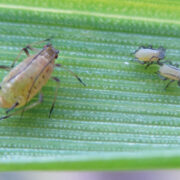
How best to tackle BYDV in cereals
Arable 13/10/2024
Growers face a tough decision when it comes to tackling barley yellow dwarf virus in autumn cereal crops. • Virus threat expected to be high • No-insecticide crops pay £45/ha • Think before abandoning sprays With high aphid pressure forecast, the virus risk is expected to be high. Yet... Read more
Silicon volley counters flea beetle
Arable 12/10/2024
Growers could combat cabbage stem flea beetle on winter oilseed rape by applying silicon to the crop, say independent agronomists. Plants use silicon – the primary constituent of glass – as a physical barrier against attacks by pests and pathogens, laying down a hard crystal layer of ‘opals’ within... Read more

New winter wheat variety SY Cheer has been awarded full Group 1 milling status by UK Flour Millers in time for autumn drilling. SY Cheer is the newest of only five Group 1 varieties on the winter wheat Recommended List for 2024/25. Plant breeder Syngenta it could hold strong... Read more
Farmers and industry stakeholders will come together to discuss the future of crop protection at a key conference this autumn. The need to balance food production while protecting the environment will top the agenda at the 2024 British Crop Production Council (BCPC) Congress – held on 26-27 November at... Read more
5 tips for early drilled wheat this autumn
Arable 09/10/2024
Winter wheat growers are being urged to take steps to avoid the potential downsides of drilling early this autumn. While the temptation to establish crops early is understandable following washout conditions last autumn and winter, being prepared for the added risks is crucial, says ProCam regional technical manager Paul... Read more

Typhoon goes down a storm in Staffordshire
Arable 03/10/2024
• Wheat variety performs well late-drilled • Withstood extremely wet winter weather • Looked clean throughout entire season Later drilled winter wheat has performed well for third generation Staffordshire farmer Rob Atkin – despite a stern test during a challenging 2023/34 season. Mr Atkin farms 386ha of combinable crops... Read more
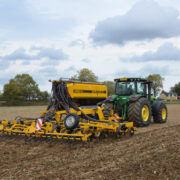
Weed pressure mounts on autumn crops Effective weed control on earlier drilled cereal crops this season will depend on a successful residual programme, say agronomists. Good chemistry is available – but a clear strategy is vital. With many crops going into the ground sooner rather than later, potential weed... Read more
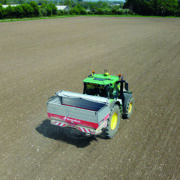
Growers will be keen to ensure crops are strong and can withstand winter weather given the difficulties of the previous growing season. Early crop development is essential and a key nutrient for this is phosphate, which growers can apply before or immediately after drilling as part of a balanced... Read more
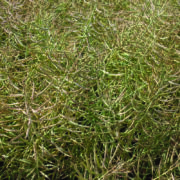
A new oilseed rape variety from RAGT’s revamped breeding programme has more than matched expectations in trials by CMG Agronomy in Norfolk. RGT Blackmoon looked impressive all season in the 3ha strip trial, says CMG director Craig Green. “It was visually greener throughout and put on more biomass than... Read more

Crops growing well as harvest approaches
Arable 06/09/2024
Sugar beet crops look good going into autumn, despite earlier fears of virus yellows, writes Tim Giles, technical manager for SesVanderHave. But it remains important to be vigilant and monitor crops for new vector borne diseases and old adversaries, with more patches of beet cyst nematode observed this year.... Read more