


UK Dairy Day gears up for bumper event
Livestock 04/08/2026
Final touches are being put to this year’s UK Dairy Day event, which takes place next month at the International Centre, Telford, Shropshire. The dedicated annual event for the dairy industry on 16 September brings together all facets of the industry for face-to-face networking – alongside a showcase of... Read more
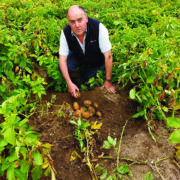
Potato growers are being urged to should make strategic soil sampling a priority before lifting harvest to improve long-term control of potato cyst nematode (PCN) in the following crop. PCN remains one of the most damaging pests affecting UK potato production. Effective control depends on integrated pest management (IPM),... Read more
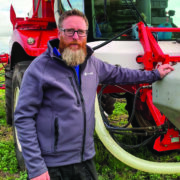
Farmers using min-till sowing techniques for cover crops and companion planting could achieve faster and more consistent establishment with precision applications of liquid fertiliser. A multi-component tillage train system developed by Techneat application specialist James English combines a MultiCast seeder unit and a Nutristart LQ liquid fertiliser applicator to... Read more
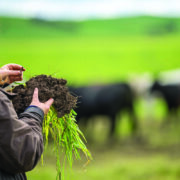
A renewed focus on soil health will help UK farmers secure a more resilient future in the face of global challenges, says the government. Healthy soils sit at the centre of the Defra’s vision for the future of English farming, with ministers arguing they are essential to maintaining profitable... Read more
Growers returning to oilseed rape are being urged to focus on crop management as renewed confidence drive a resurgence in plantings. The rape area increased by 49% for harvest 2026, according to estimates from the Agriculture and Horticulture Development Board. But the 358,000 hectares grown this season remains a... Read more
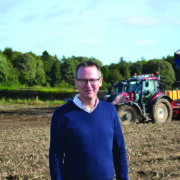
Potato industry leaders say the sector will struggle to reverse falling domestic production unless the government makes water a strategic priority for farming. Unreliable access to water is now the biggest barrier to expanding domestic production, delegates were told at the Potato Industry Growth Summit in London. Growers are... Read more
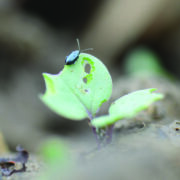
Cultivating oilseed rape stubble after harvest benefits the following crop and helps to reduce pest pressure – including Cabbage Stem Flea Beetles (CSFB). The cross-industry OSR Reboot initiative pinpoints 10 techniques that can help. Updated for this autumn, they are a key example of Integrated Pest Management in action... Read more

New research by Rothamsted Research could help growers manage herbicide resistance while protecting existing Avadex chemistry. It follows changes made by the Herbicide Resistance Action Committee (HRAC) – moving Avadex (tri-allate) into the same Group 15 mode of action category as flufenacet, prosulfocarb and ethofumesate. The decision raises questions... Read more
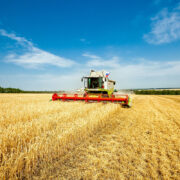
Early wheat yields are varying sharply after three summer heatwaves accelerated crop development and reduced output by as much as one third. While grain quality has generally held up, with protein levels encouraging and specific weights around 80kg/hl, growers are reporting striking differences between crops, regions and soil types.... Read more
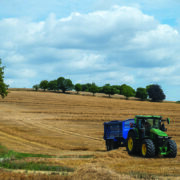
Regenerative farmers are being encouraged to rethink their approach to crops and livestock amid increasing concerns over profitability. Poor margins, rising costs and lower support payments are continuing to squeeze margins, growers and livestock producers were told during a business seminar at last month’s Groundswell festival. New estimates Financial... Read more


