

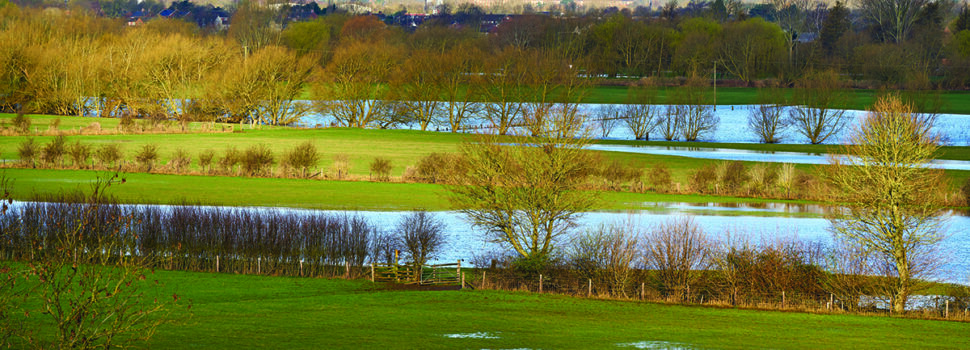
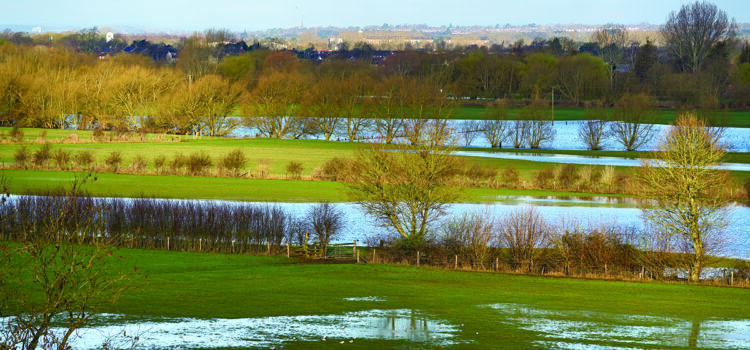
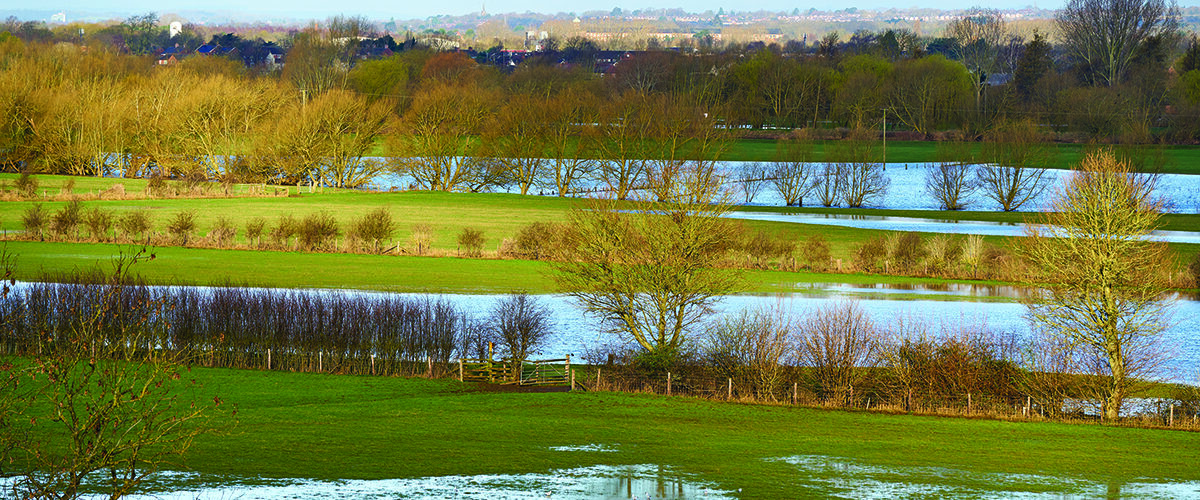
A wet winter which saw double the usual rainfall in January has helped to replenish aquifers and reduce fears of a repeat drought this summer.
Drought-hit areas suffering following lack of rain began to recover following a wet November which received 149% of long-term average rainfall. This helped kick-start drought recovery – but also brought flooding.
National Drought Group chair and Environment Agency water director Helen Wakeham said the rain had helped some depleted rivers and reservoirs. But she warned: “We are not out of the woods yet.”
Heatwaves
Spring 2025 was the driest in 132 years. And with four heatwaves, the Met Office declared the summer of 2025 as the hottest since records began in 1884. Eight months of the year saw below average rainfall.
This year already looks different. January 2026 was a notably unsettled with persistent spells of heavy rain and strong winds. The UK saw above-average rainfall, slightly below-average temperatures, and sunshine levels close to average.
Rain fell frequently throughout January as a series of low-pressure systems brought repeated rounds of wet and windy weather. This followed above-average rainfall in both November and December, so ground was already sensitive to rainfall.
Storms Goretti, Ingrid and Chandra each contributed to a month dominated by saturated ground, flooding and unsettled conditions. February began with warnings for rainfall and snow and more unsettled weather.
Exceptionally wet
Met Office science manager Amy Doherty said January was exceptionally wet due to a very persistent Atlantic weather pattern. A strong jet stream repeatedly steered low-pressure systems towards the UK, bringing frequent spells of rain and wind.
“With little opportunity for drier conditions in between, the ground became saturated, so even moderate rainfall had a greater impact.” A succession of Atlantic systems was the main reason rainfall totals were well above average for many areas.
Overall, the UK recorded 17% more rainfall than the long-term meteorological average for January. Northern Ireland recorded 70% more than its January average, making it the second wettest January since the series began in 1836.
England was also very wet, with the nation recording 50% more rainfall than average. There was a clear north-south divide, with northern England recording 10% more than average, while southern England saw 74% more rainfall than average.
This made January the sixth wettest on record for southern England.
Scotland was the only home nation to record below-average rainfall, with 87% of its usual amount. But it was varialble, with east Scotland seeing 48% more than average; and north and west Scotland seeing much less.