

-
Caravelle leads two-row trial
-
Higher tillering suppresses blackgrass
-
Seed rates remain critical
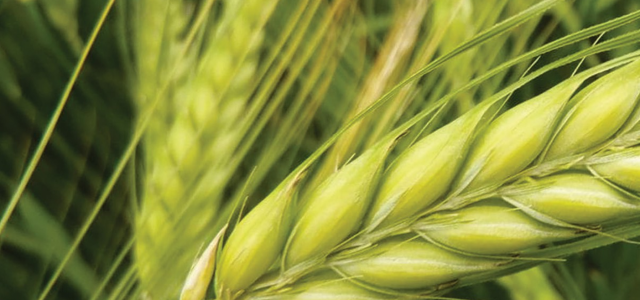
A winter barley variety has delivered the highest two-row yield and some of the lowest blackgrass ear numbers in Agrii trials, strengthening the case for using crop competition alongside herbicides on problem land.
LG Caravelle outyielded other two-row varieties by 0.5 t/ha in the 2025/26 Stow Longa trials in Cambridgeshire. It also recorded the highest crop ear count and low blackgrass ear numbers in both herbicide-treated and untreated plots, according to Agrii.
Trial results
The result earned the Limagrain variety a three-star competitiveness rating for the fifth successive year. Agrii said it outperformed other two-row barleys, which scored two stars, and matched the performance of conventional six-row varieties.
The trials, conducted on heavy land, assess winter wheat and barley varieties on a one-to-four scale. Ratings take account of yield with and without herbicides, alongside the number and size of blackgrass ears.
Agrii seed technical manager John Miles said two-row barleys could compete strongly during early growth but were generally shorter than hybrids, allowing blackgrass heads to emerge above the crop later. “LG Caravelle does have a bit of height about it, and reasonably leafy structure,” he said. “It is interesting that LG Caravelle is bucking this trend and consistently performing so well compared with other two-rows.”
The performance has persisted across contrasting seasons. Mr Miles said LG Caravelle topped the trials for yield under both scenarios in 2022, when its high tiller number was accompanied by noticeably fewer blackgrass ears emerging above the canopy. In 2023, it remained the highest-yielding variety despite almost 100 blackgrass ears/m² in untreated plots. Agrii recorded fewer blackgrass ears than any other two-row tested in 2024, while its yield and weed numbers ranked among the top three two-rows in 2025.
Limagrain arable technical manager Ron Granger attributed much of the competitive performance to high tillering. Strong early crop competition can help barley reach the target tiller population of 775/m² cited by the AHDB Barley growth guide for good yield potential, he said. Barley has less capacity than wheat to compensate for low plant populations through additional grains per ear. Mr Granger said securing sufficient tillers was therefore particularly important where crops were competing with blackgrass.
Weed buffer
Specific weight could provide another buffer where weeds compete with the crop for resources, he added. LG Caravelle has a specific weight of 71.7 kg/hl, the highest among two-row barley varieties on the 2026/27 AHDB Recommended List, according to the supplied information.
Seed rate remains a key management decision. Agrii typically uses 350-375 seeds/m² at Stow Longa, yet Mr Miles said emergence on heavy soils regularly reached only 50-55%.
“Seed rates that are too low give blackgrass an opportunity.” Mr Miles supports variable seed rates in fields containing blackgrass patches. A modest increase could provide a relatively low-cost additional control measure, he said, provided growers manage the associated lodging risk.
Delayed drilling offers another opportunity to reduce black-grass populations by allowing an initial weed flush to be controlled before establishment. Winter barley is traditionally drilled early, but Mr Granger said strongly tillering varieties gave growers greater scope to wait.
Be patient
“You don’t have to drill winter barley too early,” he said. “Varieties such as LG Caravelle will tiller strongly, even when sown a bit later, so you can be patient.”
He identified late September to mid-October as the optimum drilling period, although sowing through to the end of October should remain suitable in most situations. Growers in northern areas need greater caution because winter conditions generally arrive sooner.
Later drilling also requires higher seed rates, explained Mr Granger. Barley needed adequate soil temperature and moisture for germination and emergence, followed by warm conditions to encourage adequate leaf development and establish sufficient tillers before winter.
Agrii has also observed LG Caravelle remaining greener than neighbouring varieties in trials affected by wet winter soils. Mr Miles said the apparent tolerance had been seen over three years of trials by the agronomy company.