

 Farmers seeking profitable alternatives to traditional break crops flocked to last month’s maize growers’ conference.
Almost 190 farmers and maize specialists attended the two-day event on 4-5 February in Leicestershire. Organised by the Maize Growers’ Association, it marked the highest attendance in the conference’s recent history.
Some 240,000 hectares of maize were grown in 2025. A bigger area is set to be drilled this spring – although for many growers, the issue is how to integrate the crop on their farm.
“The numbers of delegates, trade stands, sponsors, researchers, advisers and most importantly growers here today are the strongest we’ve seen in recent years,” said MGA chairman Michael Jarmuz. “The council is genuinely delighted, not just because the event is bigger, but because it reflects a crop, a multi-market sector – and a grower community that is moving forward with confidence. The question for many farmers is no longer: “should we consider maize?” but: “how do we make it work on our farm?”
Farm economics
NFU Midlands crops board vice-chairman Will Oliver hosted delegates on the first day of the conference at his family’s 800ha Fenn Lane Farm near Nuneaton. Maize had delivered improved margins, he said.
On-site poultry produces 1,900t of chicken litter a year, said Mr Oliver. That reduced fertiliser costs and supported Sustainable Farming Incentive payments worth £406/ha.
“Justify every decision with information: test, test, test,” Mr Oliver urged attendees. Describing the need for regular soil and nitrogen testing, he said maize margins had outperformed wheat and oilseed rape when combined with SFI options.
Collaboration
Mr Oliver also pointed to collaboration. “It’s not just the information available; it’s speaking to other people growing maize and sharing that knowledge.
“The stronger the MGA membership is the more funds we have available for crop trials, the more maize is available, and we can fulfil the supply to more markets – there are opportunities for grain maize with additional markets opening up.”
Technical focus
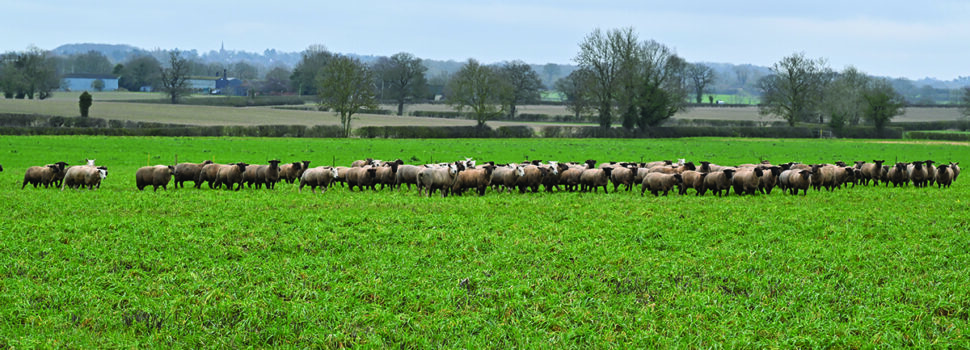
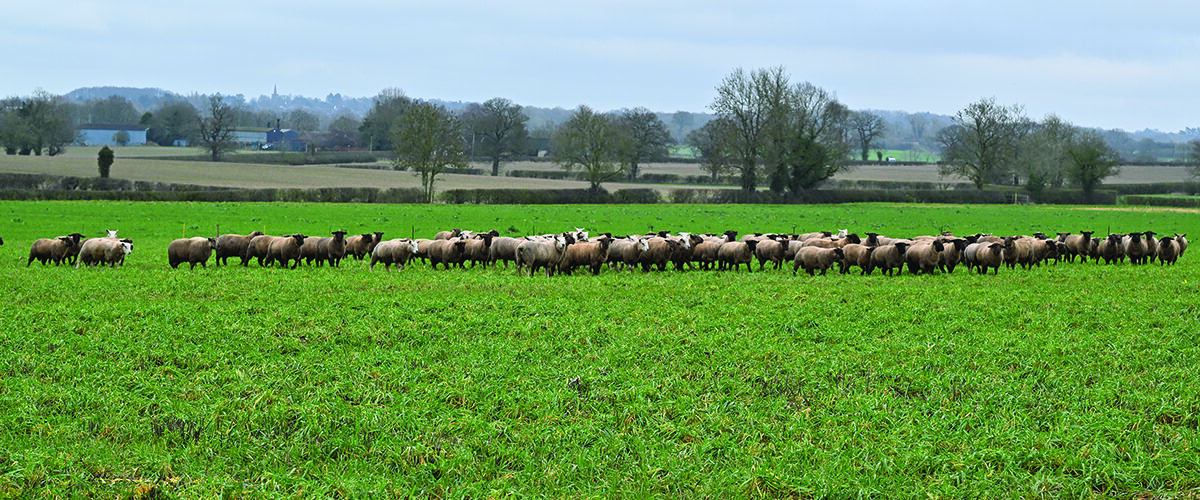
Delegates saw sheep grazing cover crops ahead of maize drilling. Local shepherd Matt Harding rotates Bentley Suffolks across fields. The system returns about £140/ha in nutrients and improves soil structure.
Day two centred on agronomy. Ben Abell, head of agronomy at Dyson Farming, discussed the Bilberry smart-spraying system for spot weed control to cut chemical use.
MGA Technical Lead Jon Myhill presented trial data. Nitrogen rates can fall to 125–150kg N/ha without harming yield, he said. Foliar nitrogen improved nutrient use efficiency by as much as 20-30%.
“Nitrogen timing is crucial to avoid hungry periods during reproductive times,” Mr Myhill explained. Trials suggested foliar applications could save £30 per hectare while maintaining energy and starch levels.
Shifting emphasis
Oilseed rape remains risky. Spring barley can struggle in dry seasons. Beans and peas face volatile markets. Many growers see maize as a steadier option. “Resilience in farming is key, we need diversity of cropping,” said NFU deputy president David Exwood.
“Maize creates diversity, profit, and ability to use it right across the rotation. The NFU Confidence Survey showed low farmer confidence, which means low investment, but maize is offering a solution to allow farming to progress, to increase returns.”