

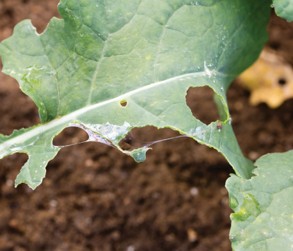
Backward and late-drilled oilseed rape crops face increased slug pressure as wetter conditions return following the dry summer.
Serious slug damage can occur until plants reach four true leaves. Forward crops reached six true leaves in good time, while some later-sown crops were near the cotyledon stage during the third week of September.
Struggling plants
Independent agronomist Andrew Beeney recorded four inches of rain during the final two weeks of August. Oilseed rape drilled immediately before the rain, or between showers, generally had enough moisture to establish strongly.
“Despite that rain, soils remain pretty dry at depth, and some later-sown crops were only just at the cotyledon stage by the third week in September. Those crops could remain susceptible to slugs, if activity increases with wetter weather.”
Strong crops with sufficient moisture should generally grow away from slug damage, Mr Beeney said. But plants struggling because of inadequate water or nutrition, poor rooting or pest damage can remain vulnerable for longer.
Rape plants may spend longer at growth stages susceptible to slug feeding in crops with cabbage stem flea beetle. That makes field-by-field monitoring important, particularly where establishment has been slow.
Prophylactic slug pellet applications are not recommended. Mr Beeney said growers should instead inspect at-risk crops closely for signs of activity and feeding damage, treating where numbers build sufficiently to require control.
Where treatment is justified, Mr Beeney favours a durable mini pellet offering a high number of baiting points. This increases the likelihood of slugs encountering bait before reaching the crop.
Certis Belchim’s Colin Mountford-Smith said Menorexx ferric phosphate mini pellets offered growers more baiting points from a lower overall dose. “They’re particularly effective for smaller juvenile slugs early in the season.”
Recommended application rates range from five to seven kg/ha, depending on slug pressure. Backward crops require particular attention if rainfall encourages slug movement before plants can withstand feeding.