

 Moving to a reduced or no-tillage system on a farm with varying soil types is a challenge familiar to many farmers. What works in one field could be an abject failure in another. Similarly, what drill system do you go for?
A tine drill will give greater flexibility in suboptimal conditions, by shattering and mineralising the soil around the seed, reducing the risk of localised compaction. In contrast, a disc drill causes less disturbance and better manages trash and weed control.
When the farm you are transitioning to no-till surrounds the Weaving Machinery factory, then those challenges become opportunities to showcase the capabilities of the brand’s flagship drills: the Sabre Tine and GD.
In-hand farm
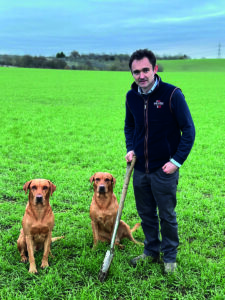
That is one of the reasons why Simon Weaving, sales director at Weaving Machinery, decided to bring the farm back under their management two years ago, following years of rental agreements, much of it for veg production as well as Italian rye grass for an AD plant.
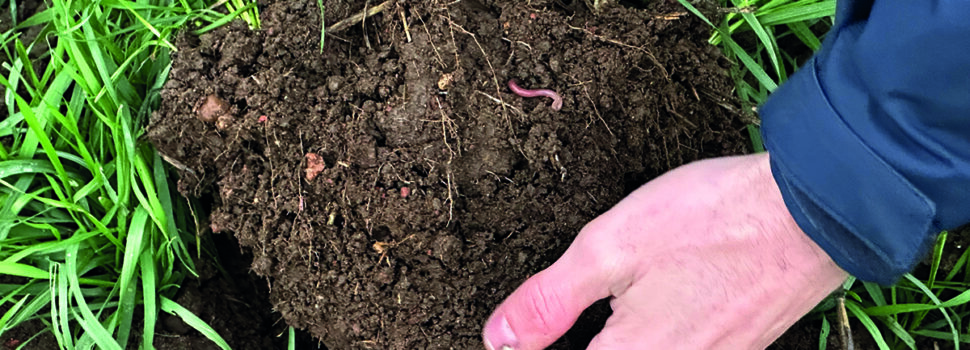
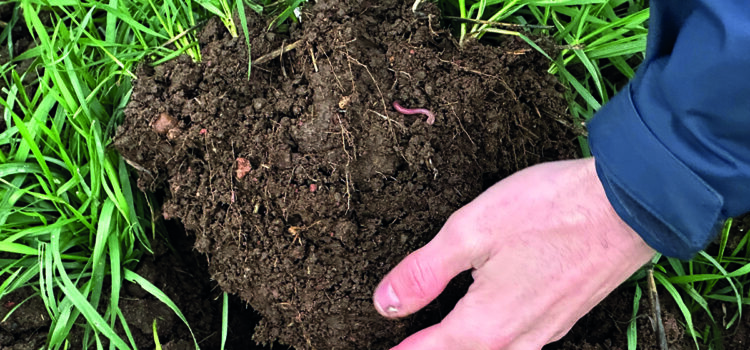
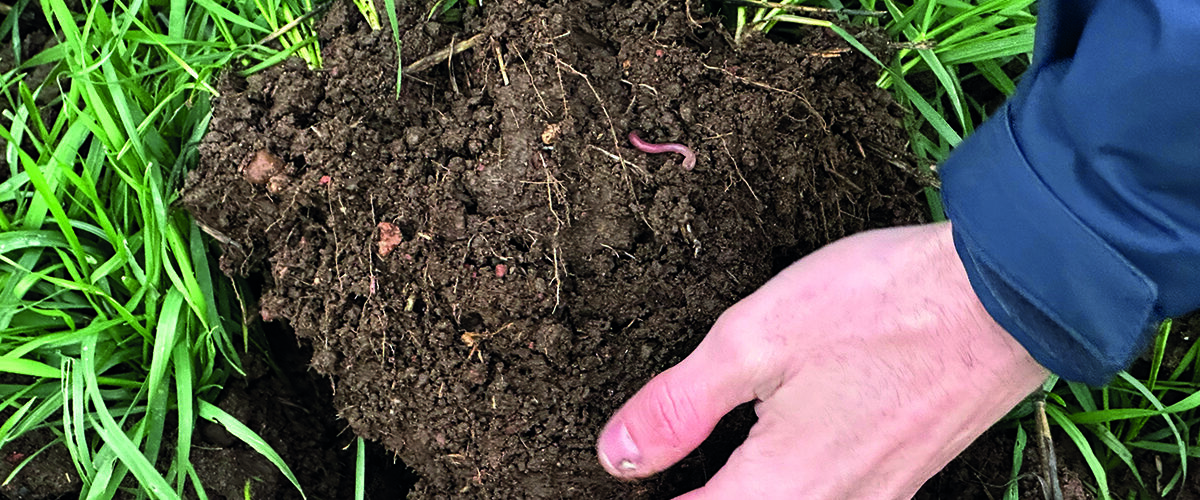
Utilising low disturbance farming principles, Simon is astonished by the progress in restoring the farm’s grade one and grade two soils. As well as testing Weaving’s equipment in different situations, he wants to see their farm’s soil restored.
“Much of the land has grown onions, leeks, pumpkins, and other veg crops for the last 15 years. There has been a lot of soil movement, which has completely disrupted its soil structure and created problems,” he says.
To help speed up these efforts, Simon has adopted a rotation of winter wheat followed by a fallow year of two cover crops, one sown in the autumn and the other in the spring. He says this is a remedial rotation for three to four years, with the added benefit of providing the team with two opportunities to test and demo machinery on the farm.
Quality wheat
This year’s wheat crop was sown at 200 kg/ha on 20 September 2026. Simon has opted for the variety Crusoe across the whole farm, and he is growing it for a full milling specification contract.
“The top four inches of soil were cultivated with one of our Raptor cultivators, partly to manage the trash from the preceding spring oat crop. We also needed to create a tilth to remediate soil compaction, particularly in the areas used for biogas cropping while the farm was rented out. We would’ve used an LD low-disturbance subsoiler, but it was too dry at depth,” explains Simon.
He decided to use a Sabre Tine drill across the whole area in the autumn, primarily to save time and costs on what would otherwise have required an additional cultivation pass if the GD disc drill had been used, due to lumpy soil conditions.
The tilth created directly in the seed row by the Sabre Tine meant the drill could go straight in, followed by rolling. “Looking at the field, you would think from the accuracy of the plant stand in the row that it is drilled with a disc drill.
“That’s the big selling point of the Sabre Tine. It’s a more rigid tine than other tine drills, which means there’s very little movement in the ground, and you get better seed placement.
“We also use a rubber exhaust, which diffuses 50% of the air, so the seed free-falls as it funnels into the slot,” explains Simon.
As well as improving the soil, they are also significantly investing in the farm’s infrastructure to get the most out of it as a facility for demonstrating Weaving’s machinery and drills.
A gravel track is being built to ring the farm and provide access for open days, which Simon plans to begin once Weaving’s new showroom opens.