

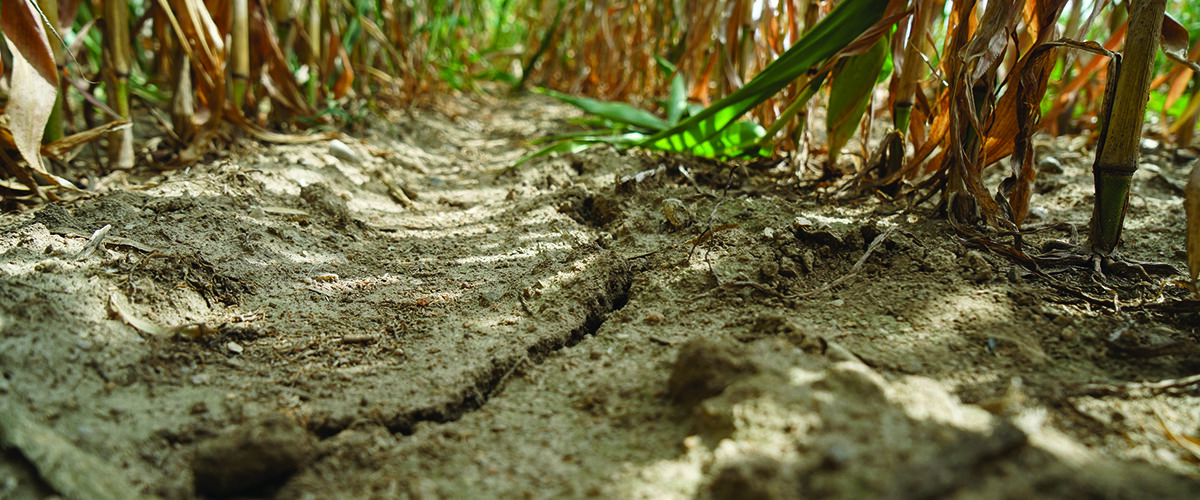
 Drought-hit farmers are being offered repayment holidays, temporary lending and increased overdrafts as prolonged dry weather puts growing pressure on farm cashflow.
Lloyds and Bank of Scotland say specialist agriculture managers are working with customers to address short-term pressures. Options include working capital facilities, overdraft support, interest rate reductions and wider lending arrangements.
The move comes as dry conditions affect crop yields, grass growth, feed availability and water supplies. Those physical impacts can quickly translate into financial pressure, particularly where businesses are already facing high costs or planning investment.
Flexible finance
Lloyds head of agriculture Lee Reeves said the impact varied between businesses and regions. “Prolonged dry weather is creating real challenges for many farm businesses, from pressure on yields and feed availability to water use and cashflow.”
Lloyds says support will be tailored to individual circumstances rather than offered as a standard package. Tom and Samantha Summerfield, who run Keele Dairies Ltd near Newcastle-under-Lyme, have increased their cashflow facility with the bank.
The additional finance gives the dairy business greater flexibility and buying power for essential inputs while maintaining investment for future growth. Livestock businesses can face higher feed bills when dry conditions restrict grass growth, while arable farms may suffer lower yields and increased pressure on irrigation and water availability.
These pressures can increase working capital requirements because expenditure may rise at the same time as production or income falls, said Mr Reeves. “Our specialist managers are speaking with customers across the UK to help provide tailored support, including options to manage working capital, overdraft needs, or wider lending arrangements,”
Longer term
Alongside immediate support, Lloyds is encouraging businesses to consider investment aimed at improving resilience to future weather extremes. Its Clean Growth Financing Initiative offers discounted lending for eligible investments including water management, energy efficiency, renewable energy and waste management.
Agriculture Transition Finance is also available to support farmers moving towards regenerative farming practices. The bank said these longer-term measures could sit alongside short-term financial support where businesses face immediate pressure.
“British agriculture is vital to food security and rural communities, and we remain committed to supporting farmers with the finance and expertise they need to grow and remain resilient,” said Mr Reeves.
With prolonged dry weather putting pressure on both output and costs, farmers concerned about liquidity are being encouraged to discuss their position with lenders early rather than waiting for cashflow problems to intensify.